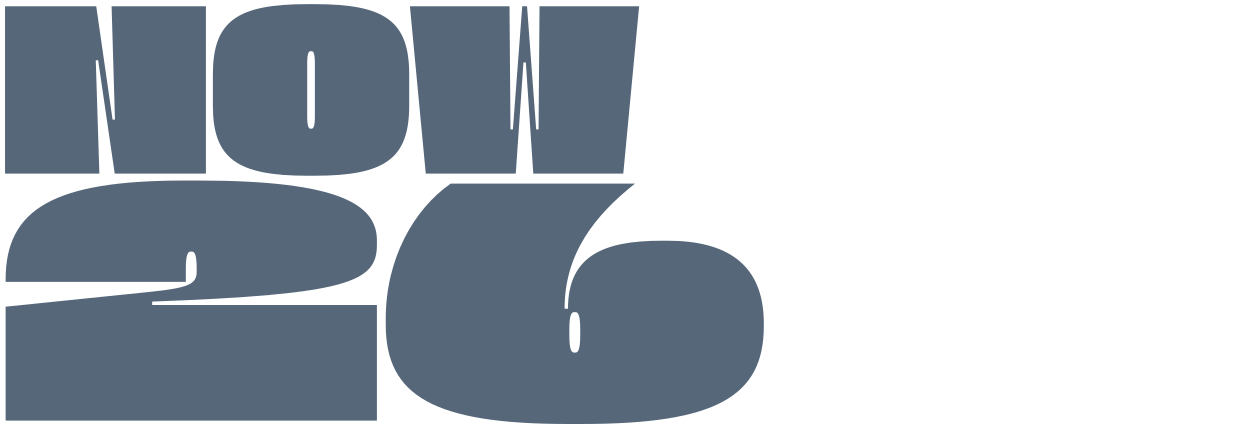
Mark your calendars for Saturday 30 May 2026! The Now26 conference is happening in the beautiful city of Paris. It’s going to be an epic event, with a mix of inspiring speakers covering a wide range of topics like graphic design, web design, motion design, publishing, visual identity, communication, and type design. If you haven’t already, don’t miss out on the best rates by registering now!
We would like to invite you to explore the profiles of our esteemed guests. Discover the captivating interview between Golgotha.
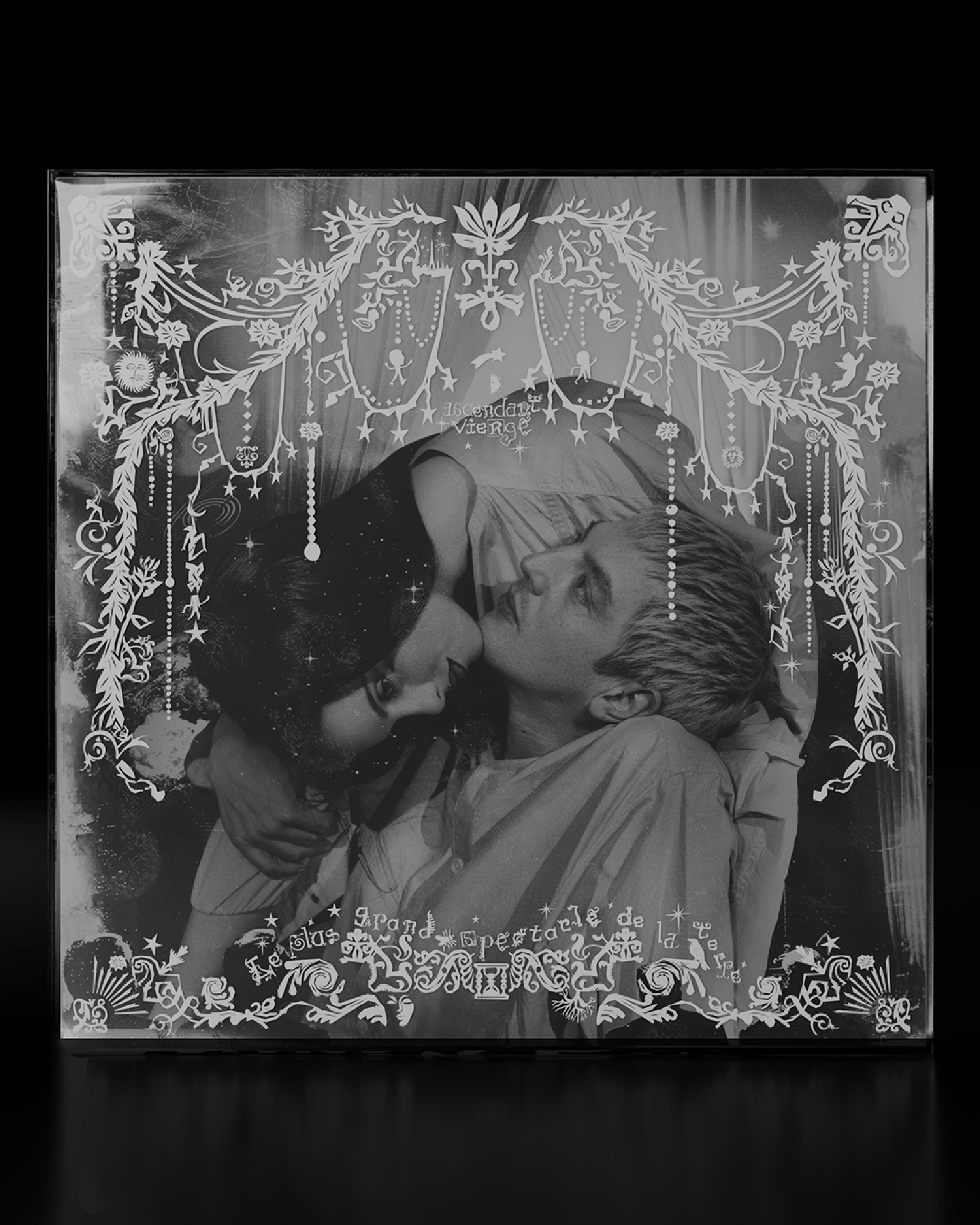
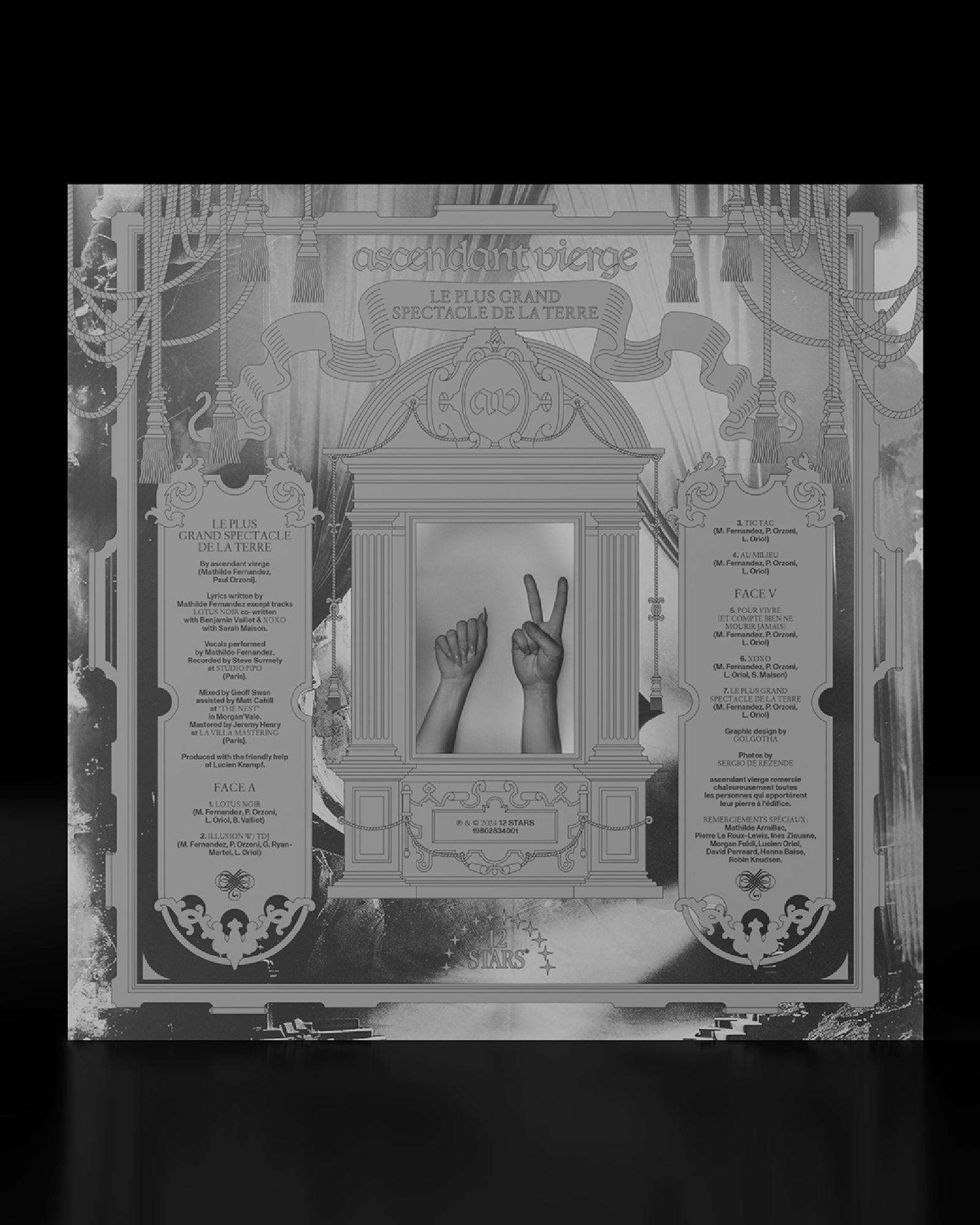
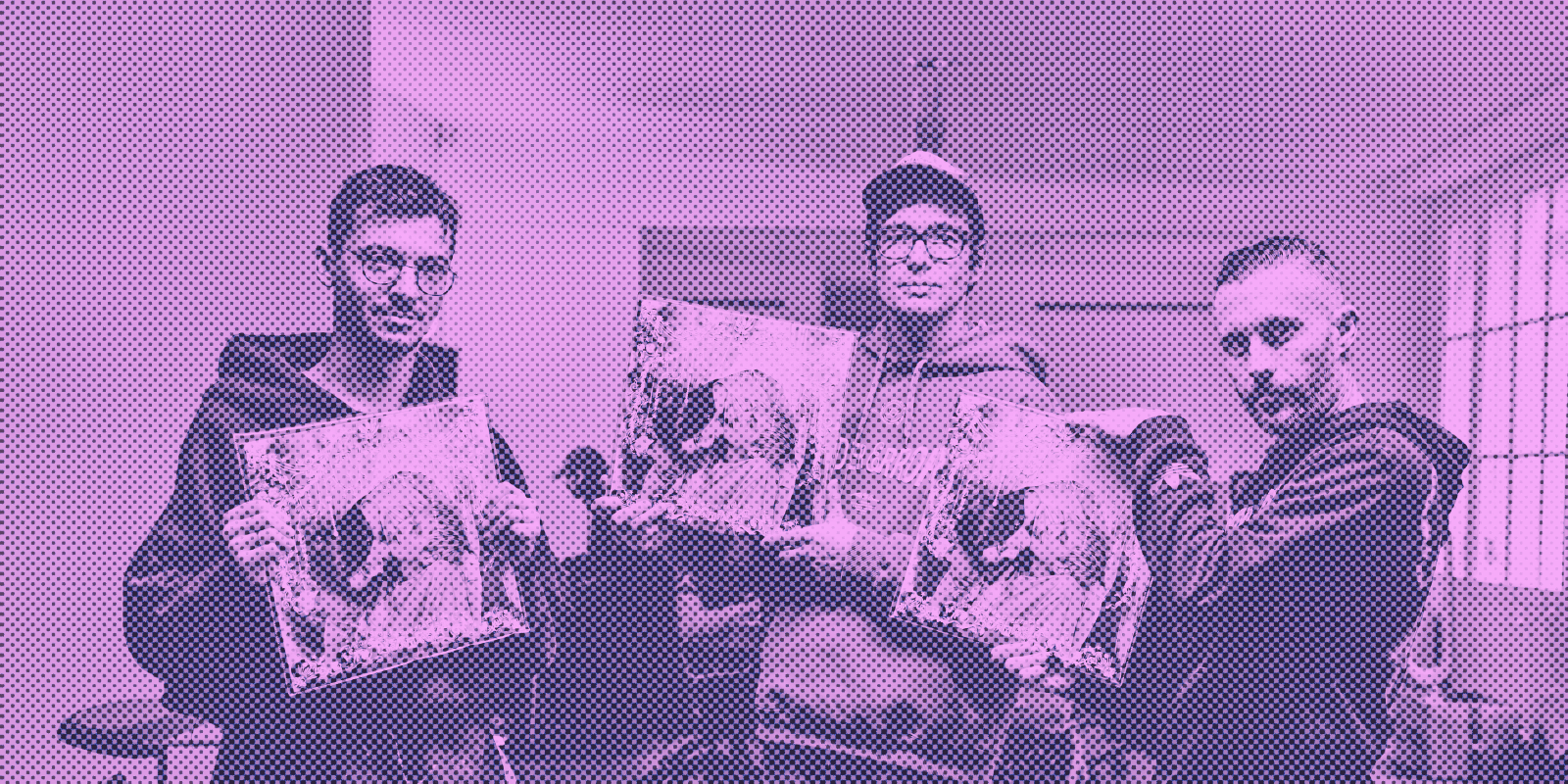
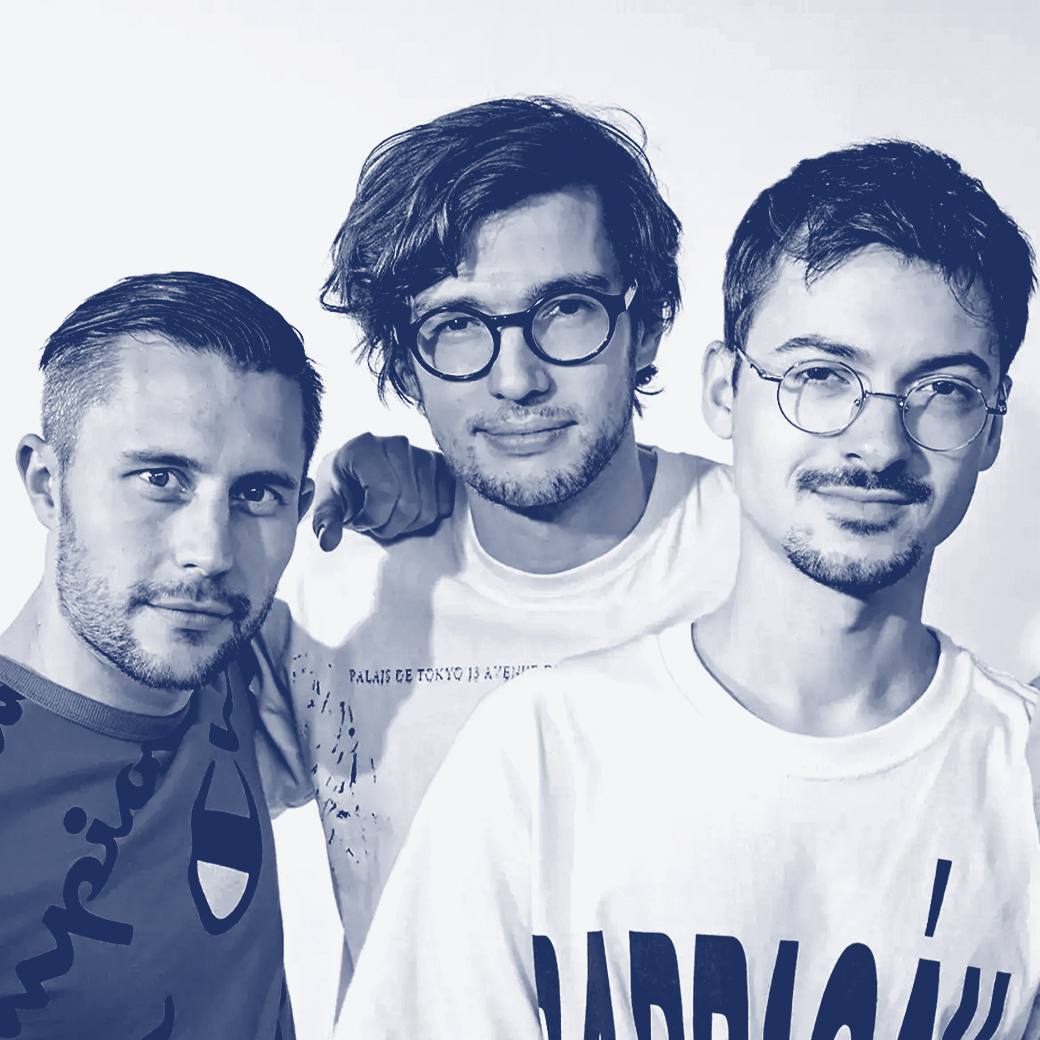
Biography Golgotha is a Paris-based agency specializing in visual design and art direction, founded in July 2013 by Ensad Paris alumni Antoine Aillot, Marvin De Deus Ganhitas, and Guillaume Hugon.
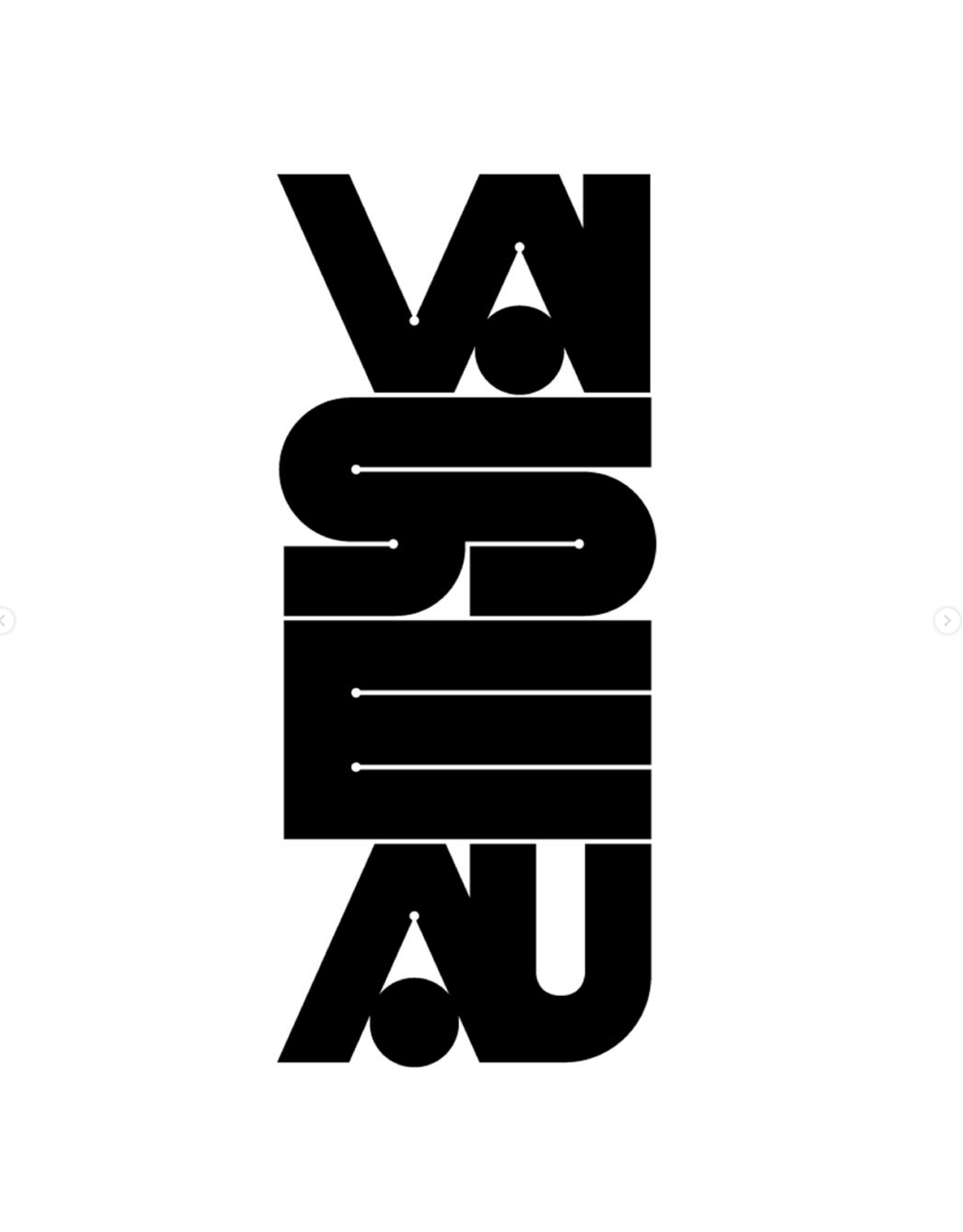
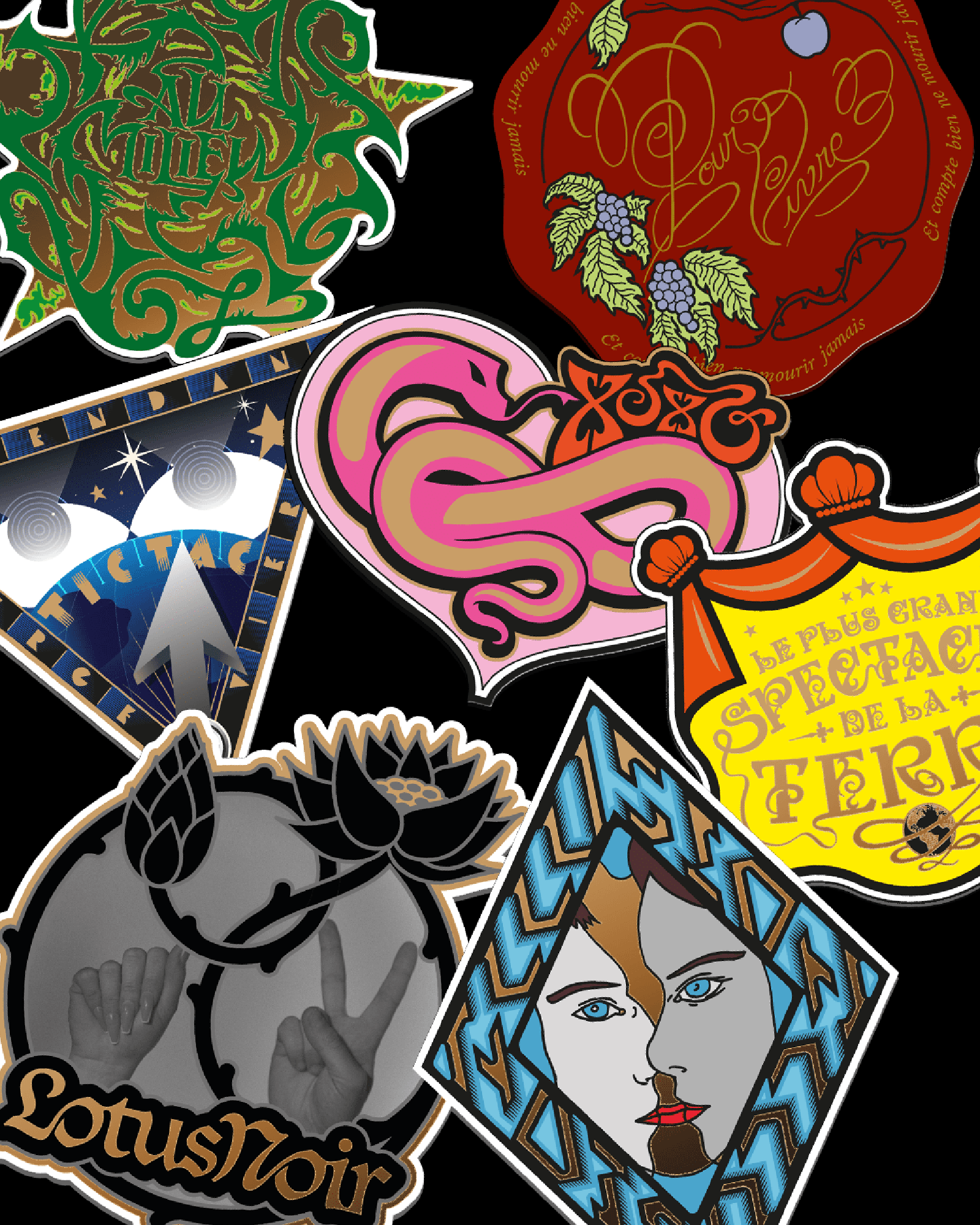
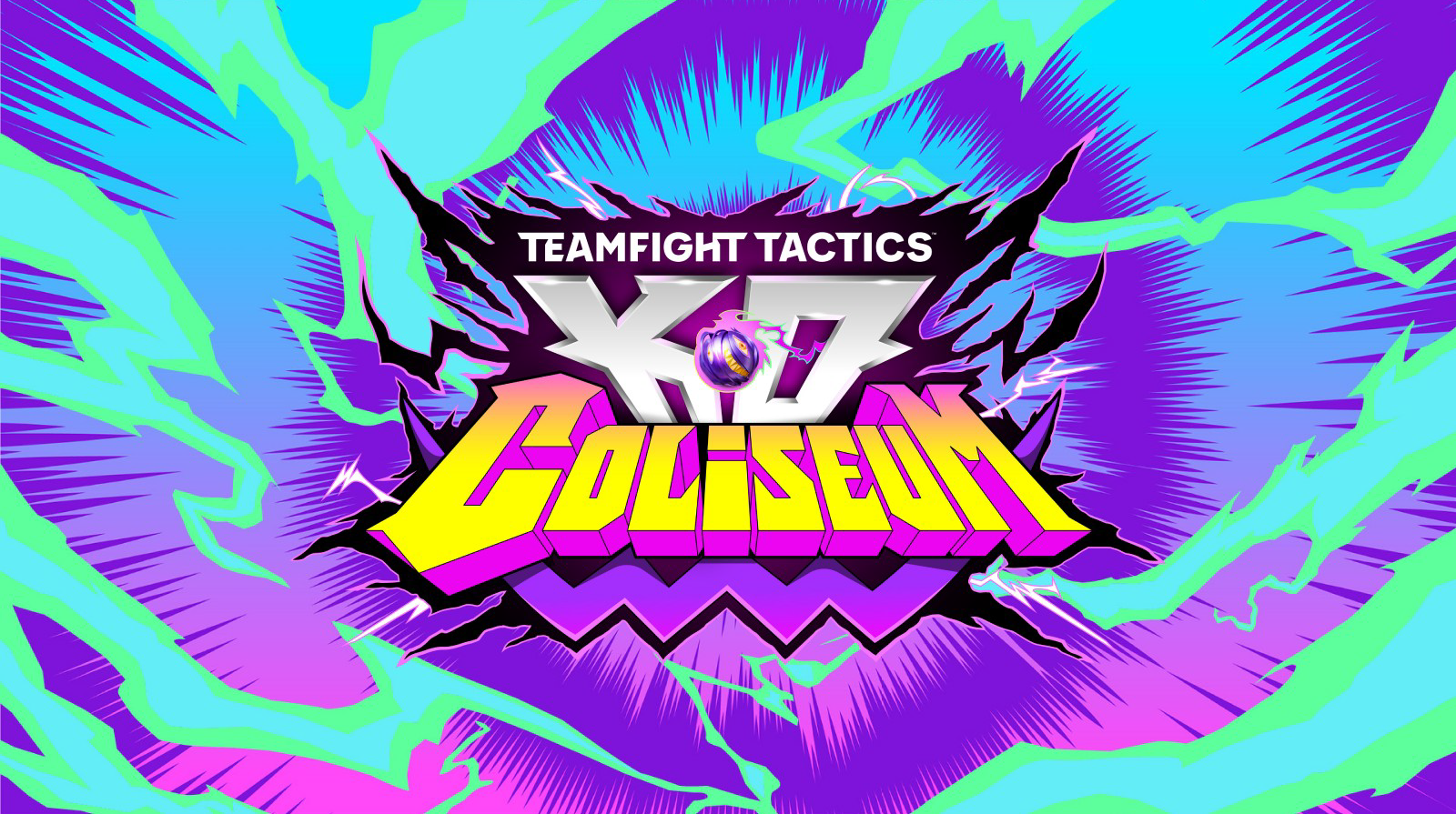
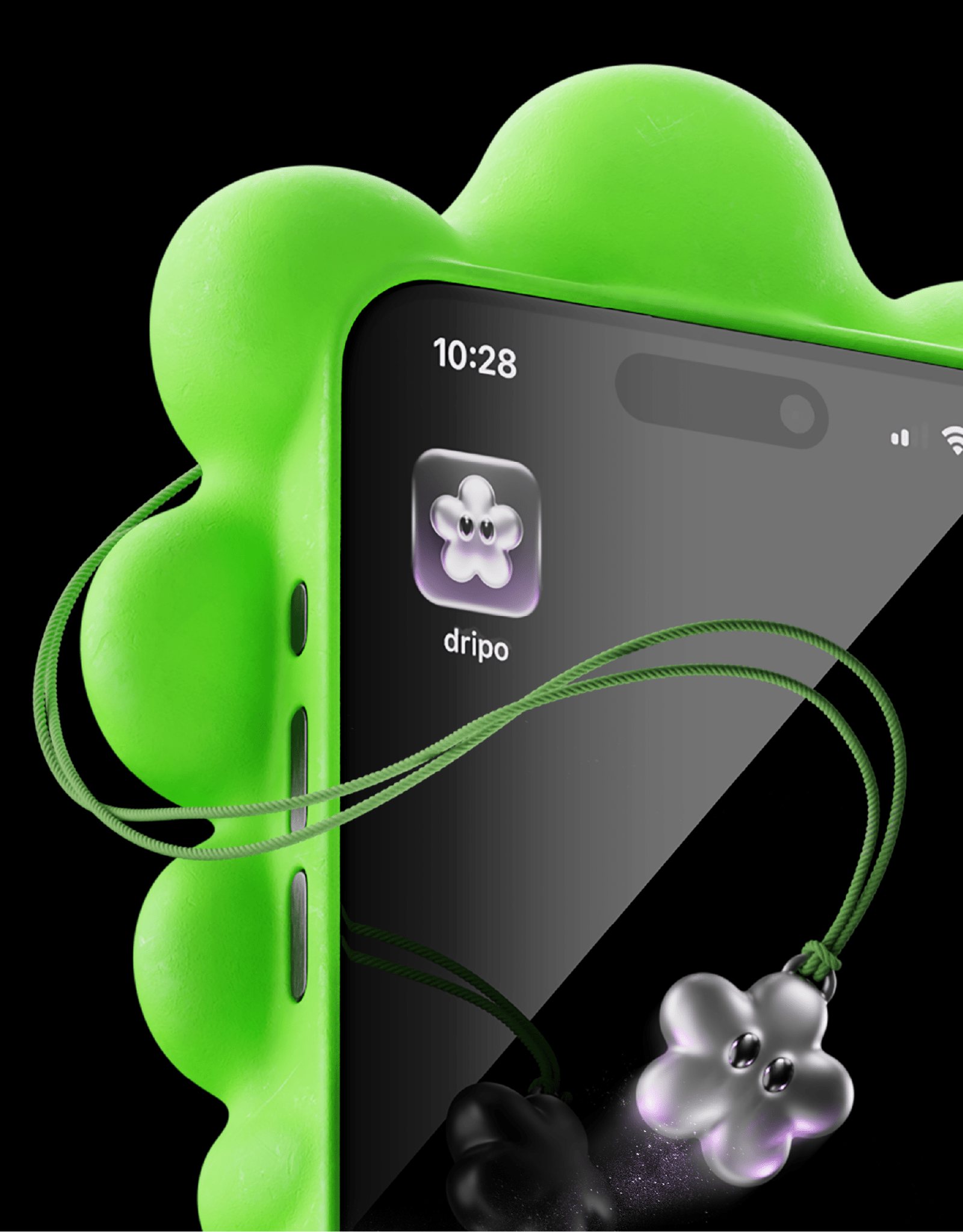
For over a decade, the studio has delivered a 360° expertise across fashion, music, gaming, and culture for global clients like Nike, Chanel, Apple, Ubisoft, and Redbull. By merging graphic design and typography with video and digital innovation, Golgotha crafts trend-aware, research-driven solutions for every creative challenge.
Interview
What’s your favourite way to kickstart your day?
Antoine Aillot Pretty low-key, to be honest. The morning ritual is emails, socials, a bit of browsing. Then we get the team and partners aligned so we all have a clear roadmap for the day. Off days are sacred though: chilling, no particular agenda, just enjoying life after a hard week at work!
Marvin De Deus Ganhitas At work my days always start with a coffee, short or long depending on my mood. Then emails and quick exchanges with the rest of the team quickly set the tone for the day and the organisation. My weekends have changed somewhat since my son was born. I used to go out and see as much as possible — films or exhibitions. Now I take a bit more time for myself and my family, I feel less fear of missing out, and I recharge with simple, everyday things.
What do you do to evade yourself from work?
Antoine Aillot It varies from person to person, but we do practice sports outside of the studio (workout, running, boxing,...). We are also big gamers! when time allows, we love losing ourselves in solo adventure games like Elden Ring, Dark Souls, or Zelda.
Marvin De Deus Ganhitas I read a lot of novels of all kinds: classics but also crime fiction, sci-fi, and even young literature. I watch films and series of course, maybe not as much as I’d like. And I try to go to the gym once or twice a week.
“Regarding the diversity of our clients, it came directly from our curiosity, enthusiasm, and motivation to explore new horizons. Sure, that can cause a few scares, but it’s mostly exhilarating.”
– Marvin De Deus Ganhitas
What’s the first thing you do when you settle into your desk?
Antoine Aillot First thing at desk: I open my notebook and go through my to-do list, checking what's still open, adding what came up overnight. What I enjoy is also what happens around it: I always end up doodling on the same page. It could be proto-fonts, proto-logos, nebulous textures, random characters, vehicles, fluid shapes,… nothing that means anything in particular, just a way to warm up the hand and get a feel for the day. About a typical day, the goal is simple: cross everything off the list and make sure the studio and its projects are all holding together.
Marvin De Deus Ganhitas For my part, I open my Notes app, where I keep my to‑do list. I must admit that even though I try to do things as methodically and rigorously as possible, there is always someone or something that distracts me from the goals I set for myself, so each day is unpredictable. There’s a lot going on in the studio: many projects, clients, collaborators, requests. Sometimes it can be frustrating trying to put order into all that, but most of the time it’s above all exciting.
Do you prefer a permanent/dedicated workspace, separate from home or at home or do you like to keep mobile?
Antoine Aillot As Golgotha is a team of 6-10 persons, we prefer working in a dedicated workspace which is our studio in Paris and which allows more flexible and free creatives exchanges between workmates. That said, remote work is part of the mix too.
Marvin De Deus Ganhitas For me it depends on my mood and the projects I’m working on. Most of the time I prefer to be at the studio to be with the team, to exchange quickly and above all to enjoy the atmosphere. But sometimes I prefer the calm of my apartment to concentrate or to work more relaxed. On the other hand, I’ve never liked working outside, in a café or on a train.
What’s your favourite kind of music to listen to while working?
Antoine Aillot Yes! We love to work while listening to music, either individually with headphones, or blasted across the whole studio during one of our big collective jam sessions, which tend to happen mostly at the end of the week! Taste-wise, we are pretty diversified: we love rap, we love metal, we love electro, 80-90’s dance tubes, obscure niche bands from every corner of the planet. And sometimes, just sometimes, we'll take a sharp aristocratic turn and go full minuet.
Marvin De Deus Ganhitas We like and listen to all musical genres, more or less seriously. So there’s no strong preference or marked inclination. And sometimes silence dominates the studio, and that’s very pleasant too.
As part of your speciality, what are the reliable sources of information you rely on?
Antoine Aillot It really depends on the period, and news can be pretty heavy these days. But yes, we keep up. Most of it comes from the internet, which is both the best and worst place for information! Make sure to always cross infos! On the design side, Instagram remains the central square, the place where the whole design community converges. But I'm watching to see if that changes (spoiler alert: No!).
Marvin De Deus Ganhitas Of course we keep each other informed and discuss current events at the studio. Very early on we realised how much the brands we work with and the projects that follow are directly linked to what’s happening in the world, in a very immediate way. As for me, I subscribe to Le Monde; I try in my small way to support the press and journalists. And every day, on my way between the apartment and the studio, I listen to France Info.
“About 90% of our logos are fully hand-drawn from an original sketch, it's just how we work. We have even flipped the process recently: designing typefaces based on logos we previously created.”
– Antoine Aillot
What are your thoughts on social media today? Which platforms do you use most, and which feel like a drag?
Antoine Aillot We are the generation that knew the world before social media, and who watched the whole thing unfold in real time. When we launched Golgotha in 2012, we started with a Facebook page and a Twitter account. That was the toolkit! Then came every platform, every era; Flickr, Tumblr, and now the Instagram takeover we are living through. For Golgotha, Instagram in particular, has been genuinely important, it gave us a way to put our work in front of people overseas, places we would never have reached otherwise. However we are not blind about the side-effects, I don’t even talk about the dependency and attention span debate, that's not our point here, but from a design standpoint, the critique is simple: it could levels. It pulls creativity toward a common center until trends become wallpaper. The reach is real, the homogenization is too. You just have to know which game you're playing, and diversify your inspiration materials.
Marvin De Deus Ganhitas Social networks bring us both good and bad. They expose us to the whole world and allow us to make our work known. We also discover many designers and artists via these platforms who feed us and challenge us. Obviously you have to keep some distance and set limits because social networks are very alienating, anxiety‑inducing and can drain a lot of energy from us despite ourselves. It’s hard for a studio to do without them, although personally I have never created a TikTok account.
What is the best way to work? In a team, alone?
Antoine Aillot Golgotha is an agency: we have clients, clients have needs, and meeting those needs requires multiple skills working in sync. So the team dynamic is not a choice, it's the foundation! But beyond necessity, it's genuinely how we like to work and one of the core tenet of Golgotha’s organic workflow since the origin. Ideas are debated collectively, someone sketches a logo, someone else refines it, a third person takes it into 3D, sound design gets layered on, and it comes back to the original person for the final polish.
Marvin De Deus Ganhitas Golgotha is a studio fortunate to be in high demand, so we have many projects, and moreover varied ones. There is space for everyone, depending on needs, skills and affinities. However, we play as a team and have done so since the studio’s beginning: Golgotha was born from the meeting of the 3 of us. We have always made sure to keep that mindset among ourselves and pass it on to the people who joined us so that no ego takes over.
Do you ever feel too comfortable? If so, how do you shake things up to stay creative?
Marvin De Deus Ganhitas From the beginning we have kept experimenting, regardless of the client or the nature of the project. We wanted to embrace as many subjects and fields as possible that are dear to our hearts or that spark our naive curiosity. We have been yes‑men from the start, so today Golgotha can produce visual identities for video games, a fashion campaign, a 3D promotional video for haute horlogerie, prints for major brands, scenography for a band’s live show, a restaurant logotype, etc. This great variety forces us every day to question ourselves, adapt, and continuously search, search, search. Even though experience reassures us, the taste for challenge is part of who we are.
Does AI change the way you work?
Antoine Aillot Right now, it doesn’t change significantly our way of work, but it has accelerated certain steps, especially in pre-production: moodboards, mockups, art direction... Our relationship with AI as a studio is pretty relaxed, I'd say. No anxiety, no existential dread: mostly curiosity and excitement. It does occasionally hit you in the guts with results that genuinely surprises you, humbles you a little. But that's cool! With clients it's slightly different. We still sometimes have to walk them through how the tools work and what they actually produce. But I think that's just a matter of time, everyone will get there.
Marvin De Deus Ganhitas Artificial intelligence helps us perform certain tasks that were once long and tedious. It’s hard to say whether this will have a harmful effect on our studio in the long run; personally I don’t believe it will. The only thing I can say is that it saves us time and energy on repetitive tasks that I personally took no pleasure in. Also, in a way, because it increases rendering possibilities, it also raises our standards and those of our clients, sometimes beyond reason, but nothing that makes me nostalgic or worried.
What do you think about the ongoing trend of grotesque and geometric sans-serif typefaces in graphic design?
Antoine Aillot At Golgotha we treat logos almost like objects of study. In a way, we are logo scientists. We are drawn to expressive forms: refined curves, strong contrast, and distinctive strokes. Our logos are highly constructed, and we took so much time on each line, which can feel at odds with the recent wave of minimalism, neutral grotesque and geometric sans-serifs. That said, these minimalist tendencies tend to move in cycles. This is perhaps the peak of a long phase of reduction. Inevitably, there’s a growing desire for more character, more specificity, and more emotion in type. So rather than rejecting these trends, we see them as part of a broader rhythm.
Marvin De Deus Ganhitas Trends have always existed, but social media has amplified the phenomena, it can be tiring while also saying something about our era. For our part, we make sure to keep an eye on current production without worrying too much about where we stand in relation to it. It requires much less effort from us today, because the studio has gained a lot of experience and we feel mature enough not to let ourselves be corrupted by trends. We create our own movement by following our instincts. Trusting ourselves means being able to take a step back and make a conscious choice to achieve a certain kind of rightness. I think that's the most important thing!
“We had a lot of good times and pleasure exploring our creativity and collaboration capacities. All of this made us decide to create our own studio in order to give us a chance to share our vision to the world.”
– Guillaume Hugon
As a user of type, are you always on the lookout for new typefaces?
Antoine Aillot Sure! We are always browsing fonts and catalogues from foundries. We like contemporary foundries, and we can place here a warm shout out to our friends from ABC Dinamo, who feed us well since we help them with their website in 2020. But we also stay open to less expected sources, from system fonts to no-go zone platforms like DaFont! We also enjoy diving into more physical mediums. For example, one of our designers keeps an original 1988 Letraset catalogue right on his desk! The key is to stay curious and open to unexpected discoveries. It’s great to encourage open source materials or the only free-fonts allowed would be the default one.
Marvin De Deus Ganhitas Type pops up everywhere, but ultimately I think it catches my attention much more when it’s used in a book, a movie poster, or on the façade of a building. For example, I had the chance to travel to Japan several times and I found many books there dedicated to Japanese vernacular typography that I was able to bring back with me. And I free fonts has think that’s cool.
What are some things that grab your eye the most when you are searching?
Antoine Aillot It’s a certain “je-ne-sais-quoi”. A feeling and an appreciation of the fonts, which came out pretty much instantly.
Marvin De Deus Ganhitas Harmony, regardless of a typeface’s origin, its degree of complexity, or how eccentric or whimsical it may be! Harmony.
When do you feel the necessity to draw your own letters?
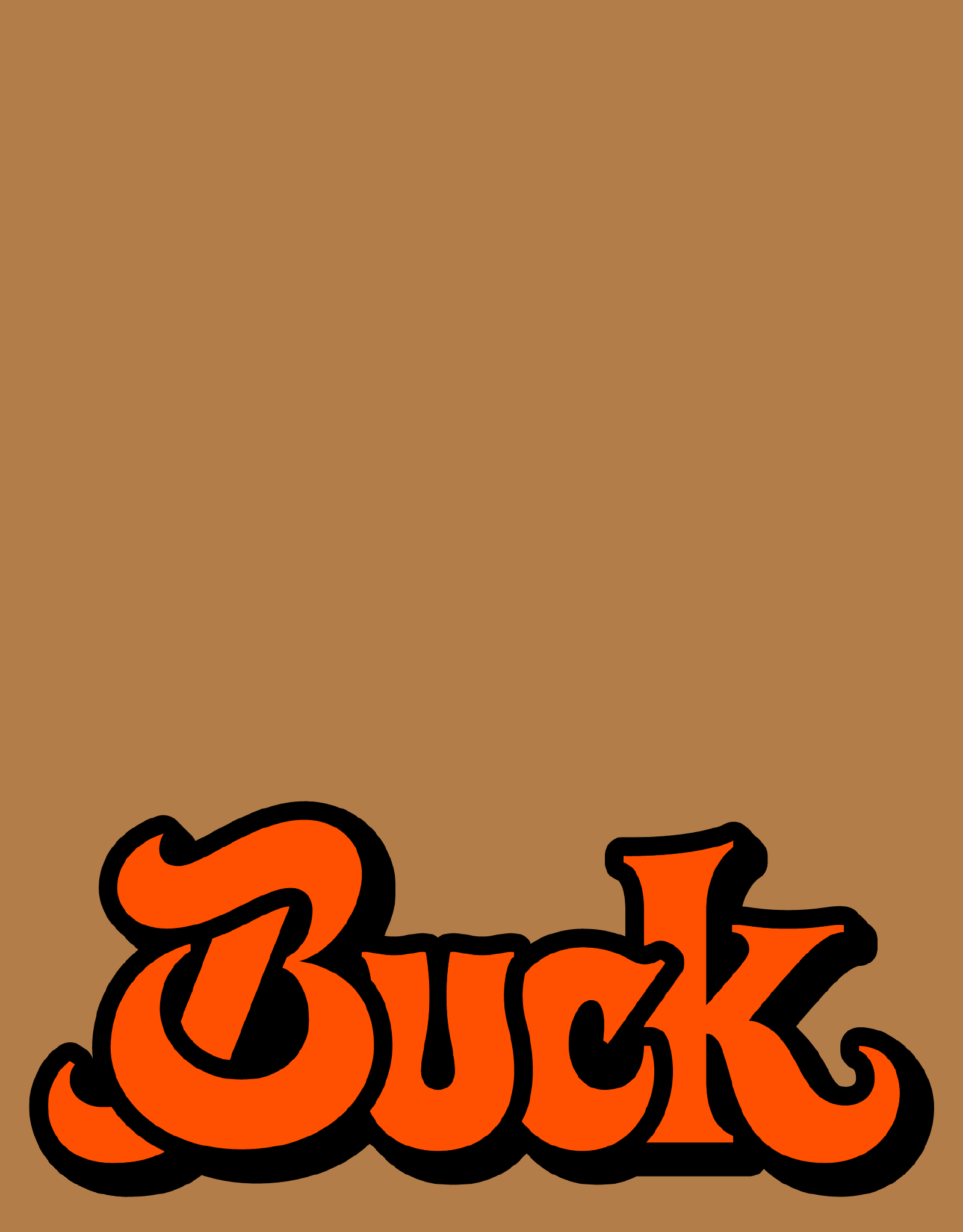
Antoine Aillot Paper first! It always have been the paper first. About 90% of our logos are fully hand-drawn from an original sketch, it's just how we work. We have even flipped the process recently: designing typefaces based on logos we previously created. The BUCK logo is a good example. It started as a sketch, got refined into a custom font, and we're now building out the full alphabet, which is genuinely challenging, because the original letterforms were designed for a mark, not a system.
Marvin De Deus Ganhitas Naturally we hand-draw most of our lettering simply because we enjoy it, nothing more, nothing less. In rare cases we choose an existing typeface without altering it, but that's so uncommon that I can't remember any specific project. And of course we often modify existing typefaces. All options are on the table, we must admit that most of the time we take the less easy route haha. I think above all our relationship with typography comes from a love of vernacular logos!
Do clients usually come to you, or do you reach out for projects?
Marvin De Deus Ganhitas Regarding the diversity of our clients, it came directly from our curiosity, enthusiasm, and motivation to explore new horizons. Sure, that can cause a few scares, but it’s mostly exhilarating. Some clients approach us precisely because of that diversity, others are reassured by our roster of prestigious clients, in short, everyone has their reasons for entrusting us with their projects. Our working method varies little from one client to another; regardless of how many people are involved, we approach all our projects with both humor and seriousness.
Can you describe your decision making in a project as a team in general?
Marvin De Deus Ganhitas First, we check the studio's workflow and our availability. Then, once we decide to take the project, we assemble a team based on the project’s nature and each person’s sensibilities. Of course things aren’t set in stone and anyone can offer critique, ideas, or help at any time. Our methodology is very organic and we listen to our collaborators. We look after our team’s wellbeing — if someone is burned out or struggling to find excitement, we rethink our organization.
Do you remember when you decided to pursue your career in design?
Guillaume Hugon All 3 of us shared a common interest into visual creation, as well as working together at school and for some early clients. We had a lot of good times and pleasure exploring our creativity and collaboration capacities. All of this made us decide to create our own studio in order to give us a chance to share our vision to the world.
Marvin De Deus Ganhitas As far back as I can remember, my desire to do this work goes back to middle school. Several things led me to want this: the film and TV landscape of the 80s and 90s, and all the exuberant marketing around those productions, the toys, the jingles, the merchandising. And above all the paperback covers I would scrutinize avidly while my parents were shopping.
Who were the teachers, mentors or professionals who had the most impact on you?
Antoine Aillot Teachers like Laurent Ungerer and Thierry Chancogne were pillars to us. And then there were designers who trusted us early: Hassan Rahim, Jonathan Zawada, Mirko Borsche, Julian Zigerli... people who believed in our work when we were still students. That kind of trust stays with you.
Marvin De Deus Ganhitas Thierry played a major role in our development, and other graphic design teachers like Laurent Ungerer, Philippe Millot, and the artist Nasser Bouzid also influenced me greatly. But more than the teachers, there was a whole bunch of websites and blogs (which unfortunately no longer exist) that played a big role in our learning. The Anatome gallery, which showcased the work of many designers, was also a very important place.
Do you have words of wisdom for someone who wants to become a graphic designer, art director or type designer?
Marvin De Deus Ganhitas Be persevering, curious, and above all as sincere as possible. Put all your heart and personality into offering new visions, while remembering that you are always working for someone other than yourself!
What will be the message you would like to convey during your Now26 talk?
Marvin De Deus Ganhitas I'd like to convey our joy in doing this work, quite simply :) And that we're perfectly capable of approaching typography with no complexes, while still maintaining high standards.
What other speaker wouldn’t you want to miss at Now26?
Marvin De Deus Ganhitas Hard to say, since all the guests are interesting to discover. But we peak David Quay, who probably has an approach to typography diametrically opposed to ours, most inspires us with an intimidating technical mastery.
Thank you very much Golgotha!
– Interview by Benjamin Rouzaud
Register to the graphic & type conference in Paris ➼ Now26 conference
Learn more about TypeParis
➼ Type & graphic designers interviews
➼ Summer26 programme
➼ Reports
➼ Attendees feedback series