Mark your calendars for Saturday 30 May 2026! The Now26 conference is happening in the beautiful city of Paris. It’s going to be an epic event, with a mix of inspiring speakers covering a wide range of topics like graphic design, web design, motion design, publishing, visual identity, communication, and type design. If you haven’t already, don’t miss out on the best rates by registering now!
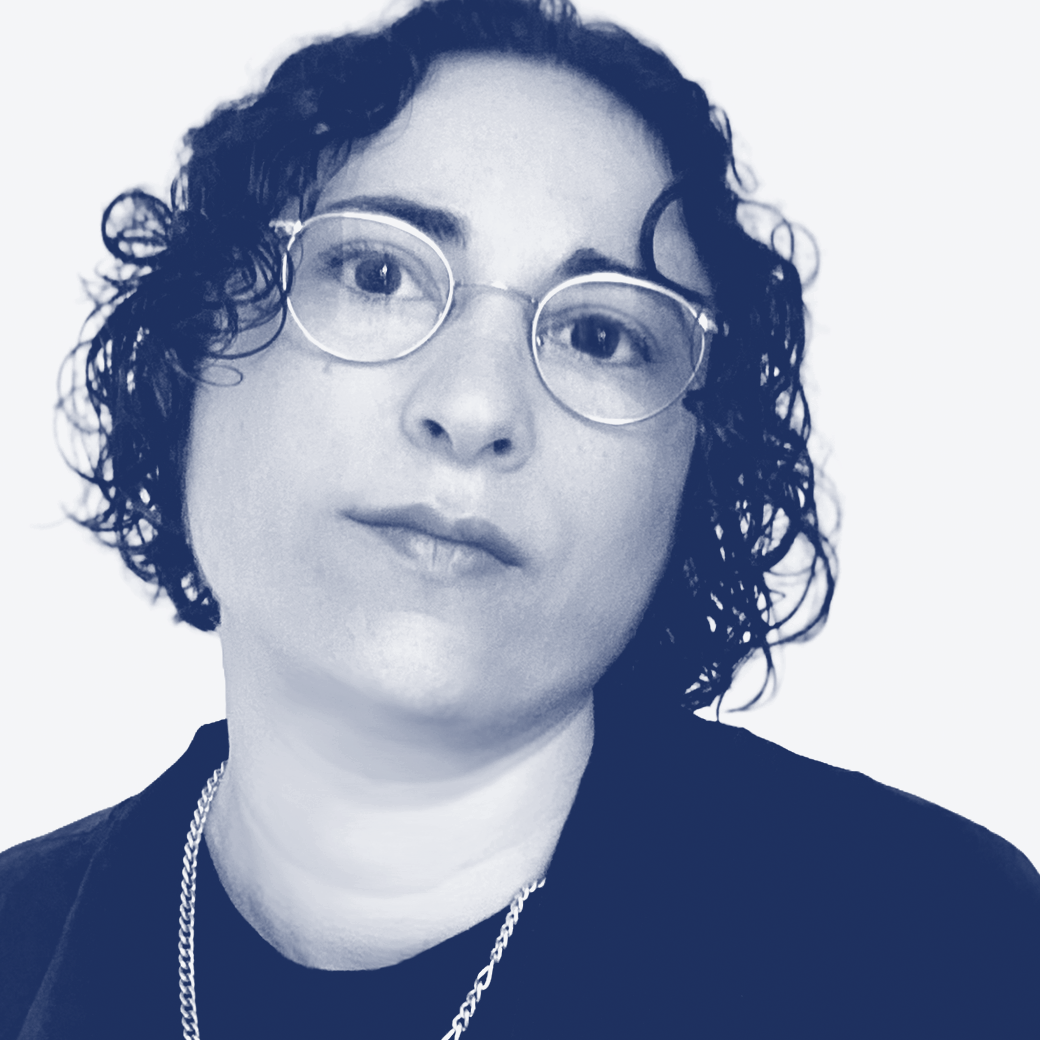
We would like to invite you to explore the profiles of our esteemed guests. Discover the captivating interview of Hélène Marian.
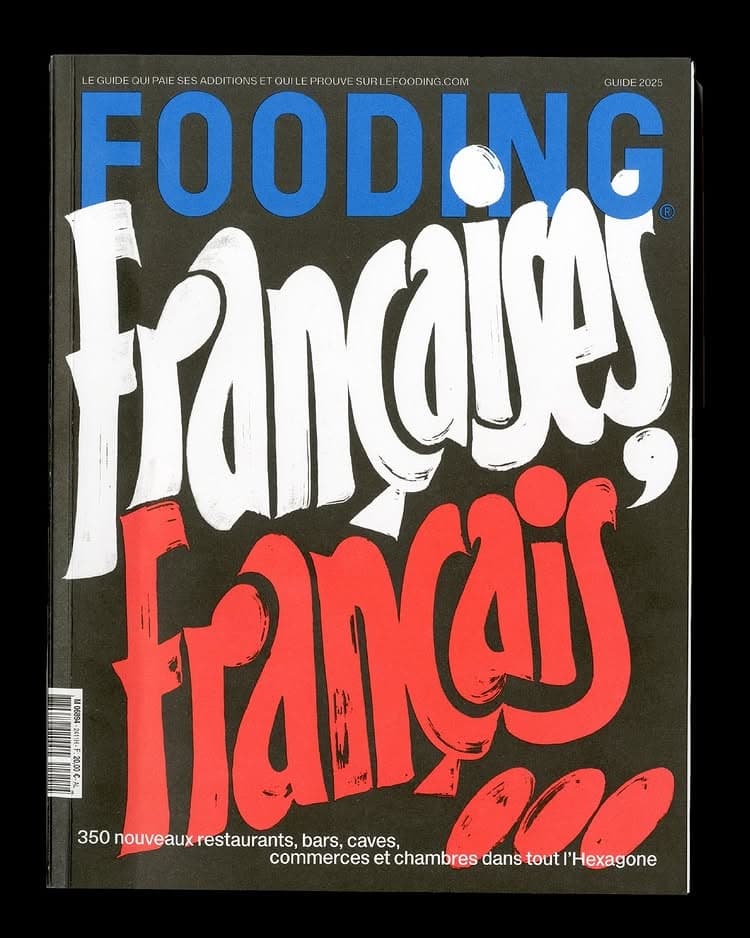
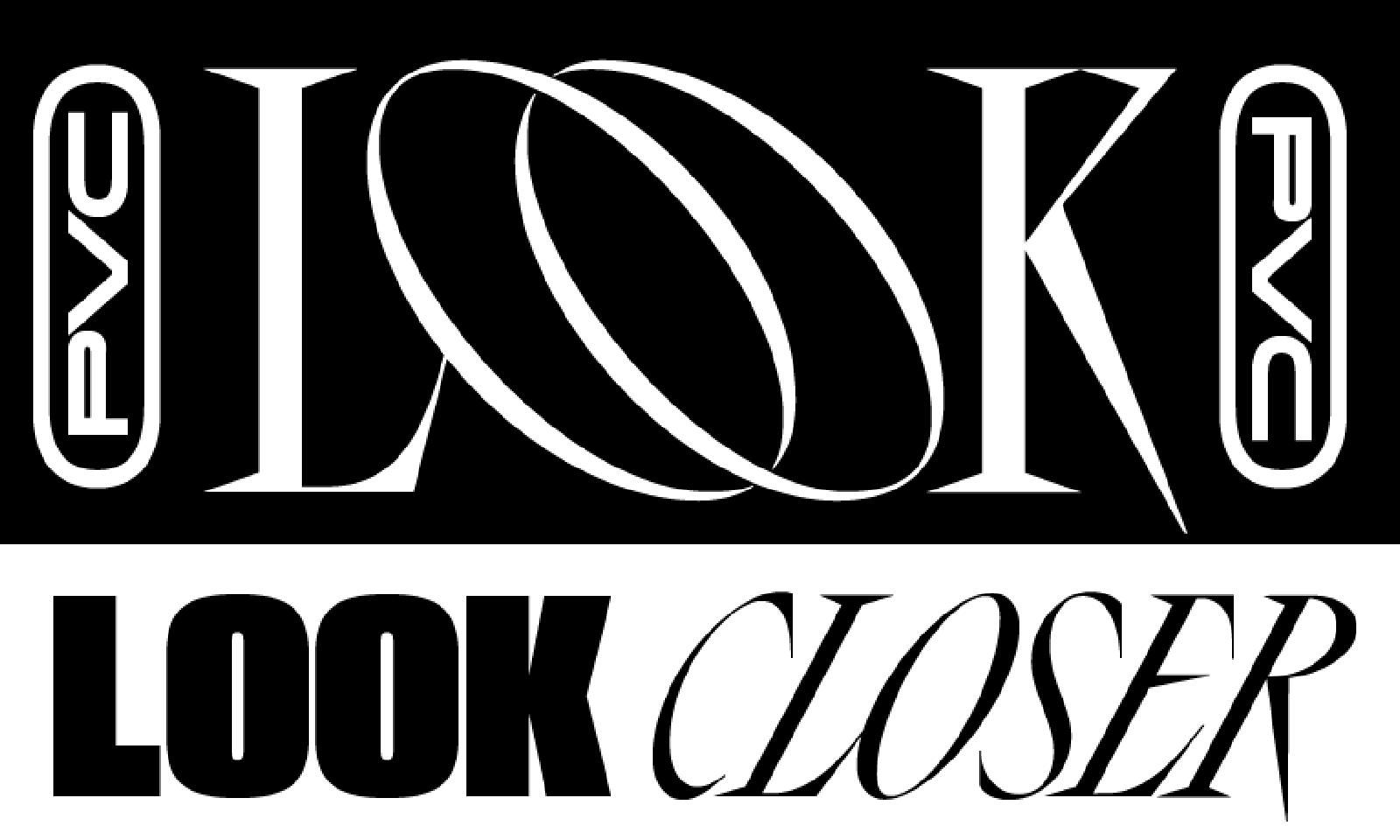
Biography Hélène Marian is a French type designer, trained at École Estienne. After working as a typographer at Doc Levin Studio, she contributed to major cultural identities and exhibition projects. Now independent, her practice merges typographic rigor with expressive, gestural forms and in situ interventions. Her award-winning PVC type family is published by Production Type, alongside custom work for the WNBA. She also teaches internationally and collaborates extensively with the French experimental music scene.
Interview
What’s the first thing you do when you settle into your desk?
Hélène Marian Since I started my freelance practice a decade ago, I have established a well-oiled non-routine that allows me to never start a day the same way as the previous one. This requires a lot of self-sacrifice and perseverance to try as much as possible not to follow any habits whatsoever.
What drives you to create new typefaces?
Hélène Marian I find type design a beautiful and inexhaustible way to fill the day and to see the world through, to lose myself in an abstract and yet very reliable nonsense. All of this in a — till now — satisfactory and ludique way. Letters still hold an incredibly strong, almost magical power for me, and as long as that remains the case, I will strive to explore that mystery.
“I try to keep a naive approach on shapes, and see where it leads. If I had to choose, I would rather try to reinvent the wheel blindfolded than by looking at its detailed and signed blueprint.”
– Hélène Marian
How much a software and its fixed rules can determine a type project nowadays?
Hélène Marian I imagine there are several ways of looking at this, and surely more than those, but on the one hand, softwares are making features that seemed incredibly complex just a few years ago more accessible to us every day. This is a huge opportunity. Not so much in term of production, because it saves time, but because these possibilities raise new creation questions. In themselves design-wise, and also cause it allows more people with a wider range of point of views, cultural backgrounds and challenges to address them. At the same time, when used without questioning, those simplifications lead to a standardization of forms, where the software is actually more visible in the result than the designer’s.
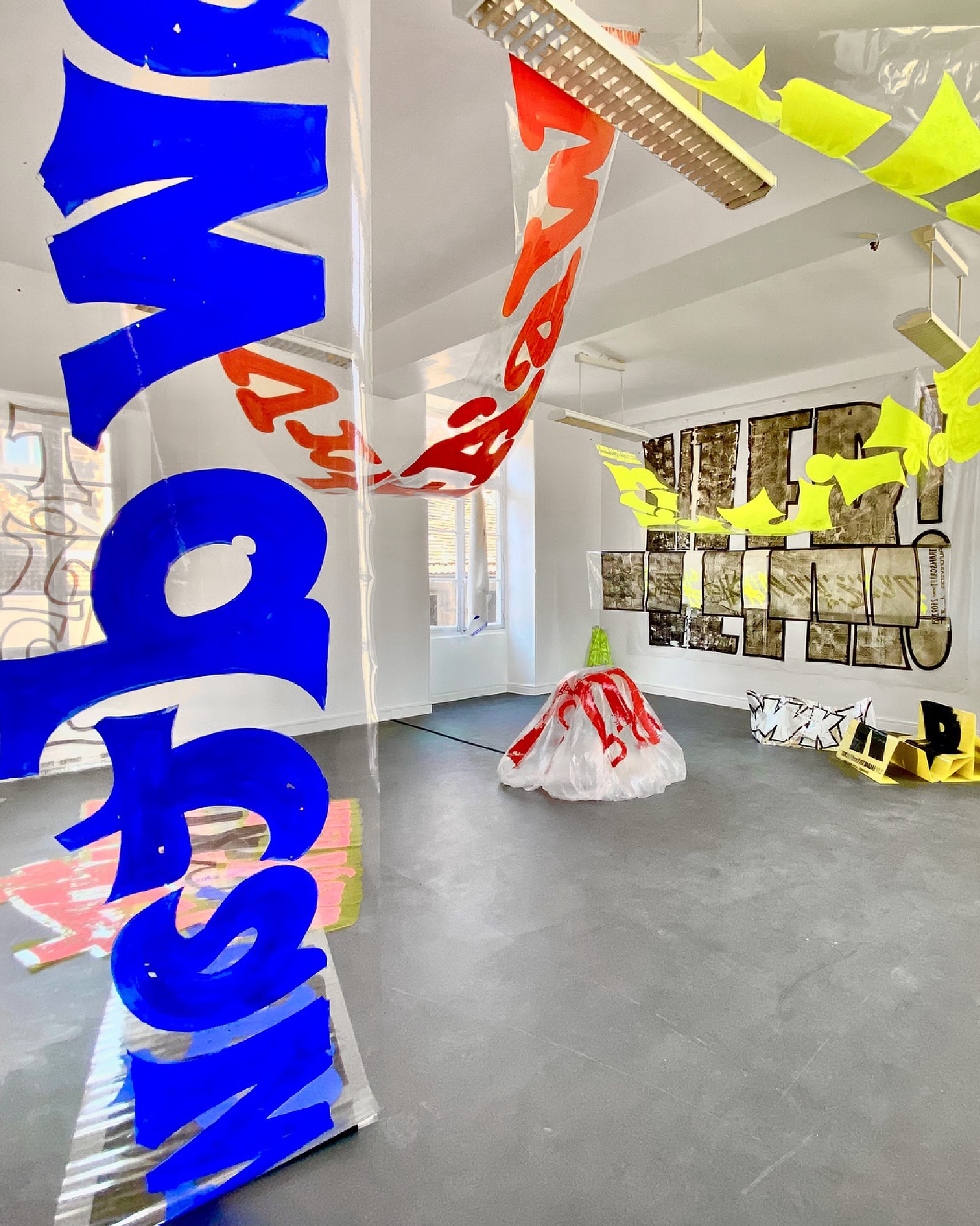
To compare design softwares with another tool I use, when I trace with the brush, it’s actually less for what it facilitates (big scales, sustainability…) than for what it complexifies that I use it and that I’m drawn by it: it’s a soft tool (we’re used to write with hard tools), that slips, that can be unpredictable, and that is simply tangible with all the restrictions it implies). It is specifically what is not facilitated that hold the rules of what can then become a game.
What is your ratio of self-initiated typefaces vs. typeface for clients?
Hélène Marian Over the course of the year, the balance clearly tips in favor of self-initiated projects, which are always open-ended, regardless of any commissions, lettering projects, or one-off design projects that may be running in parallel. I would tend to say that self-initiated projects are naturally closer to my heart, since they are not subject to any constraints other than answering the questions I ask myself at a given moment about type design. These projects are freer and more conceptual. But it would be reductive and ungrateful to stop there, because the strength of commissioned projects is that they establish a kind of balance. Not only from a financial point of view, but also because, by alleviating some of the completely open-ended questioning, they allow me to take a lighter approach to certain aspects: tackling forms that I would not have confronted myself to, solving technical difficulties, learning really, alone but also through exchanges with collaborators. It’s crucial – and a chance – to be able to address both.
Do you prefer to redraw type classics or create entirely new forms?
Hélène Marian I don’t redraw type classics. Or at least if I ever did, it’s never been on purpose! Seriously, It is not an angle that inspires me, I am only talking for me, I try to keep a naive approach on shapes, and see where it leads.If I had to choose, I would rather try to reinvent the wheel blindfolded than by looking at its detailed and signed blueprint. Maybe only fooling myself, though.
Redraw classics, some people do it so well, so cleverly, and I have 0 problem deeply admire some revivals and their contemporary uses but this is just not my approach when I draw type.
At my entrance as a teacher at EsadType (International Post-graduate program), along the teachers team we imagined a project called ‘Not a Revival’. It could also have been called: what we’d love revivals to be. From historical sources digged by Sebastien Morlighem on a theme and period changing each year, students were invited to explore historical lettering forms and exhausting them through a series of fairly extreme formal experiments I would submit them. That would then be the raw material to a type design with Hugues Gentile. The aim there was to underline and extract a core concept inherent to these shapes by designing a completely different envelope. A synthesis and a zoom into this feature, and a new creation very specific to the student. The resulting design is born from the source, deeply inspired by it, but its reinterpretation is profoundly new and distant. Not a copy, not a redesign, but a new reflection based on a great source.
How does music influence your type design journey?
Hélène Marian A huge influence I have to say. Not in the sense where I listen to some while working though, but by attending gigs very often. I encountered the noise and experimental music scene and been involved with its actors for a bit more than ten years now. Listening and seeing performances has deeply shaped my own practice. Musicians-adventurers, redefining what “virtuosity” is, reinventing and daring to explore their own instruments, really has impressed and enlightened me on how far one can go in one's artistic commitment. To follow through with an intention or gesture and how esthetic conventions and technic is always something one should challenge to invent one’s own practice. It’s an inspiration that deeply influenced my own journey with letters.
“I find type design a beautiful and inexhaustible way to fill the day and to see the world through, to lose myself in an abstract and yet very reliable nonsense.”
– Hélène Marian
When did you start your sign painting journey?
Hélène Marian I started sign writing shortly after graduating from type design studies (at Estienne, Paris). I was working as a graphic designer and typographer in a small agency dedicated to cultural institutions and sign writing became a natural choice because it met several needs I had at that time:
- A manual practice that I had moved away from and for which there was little room in an agency
- The vital need to continue learning and to confront myself, through clumsiness, with a discipline that I did not master and which therefore led to unpredictable and joyful results.
- The desire for spontaneity and improvisation, difficult to reconcile with graphic design commissions and yet, it seems to me, absolutely necessary in order to question and refresh an established practice.
Do you sketch before moving to digital work?
Hélène Marian This was only set as a process to be destroyed, but till now all my retail typefaces actually begun by months, more usually years getting accustomed to certain styles honed by hand through brush and lettering. When a system finally seems to have reached a form of logic or maturity by hand, I try to return it to its infancy by imaging what its digital shapes could be. Starting the creative process from scratch again, through this particular vectorized lens. Hand is a beginning, but vectors and type systems imply a new perspective, limitations, but of course also and mostly new possibilities.
What advice would you give to aspiring designers?
Hélène Marian Listen. The most important thing for professional success in this field, crushing the competition and earning loads of money, is to definitely not listen to any advice I might give you.
Thank you very much Hélène!
– Interview by Malo Haffreingue
Register to the graphic & type conference in Paris ➼ Now26 conference