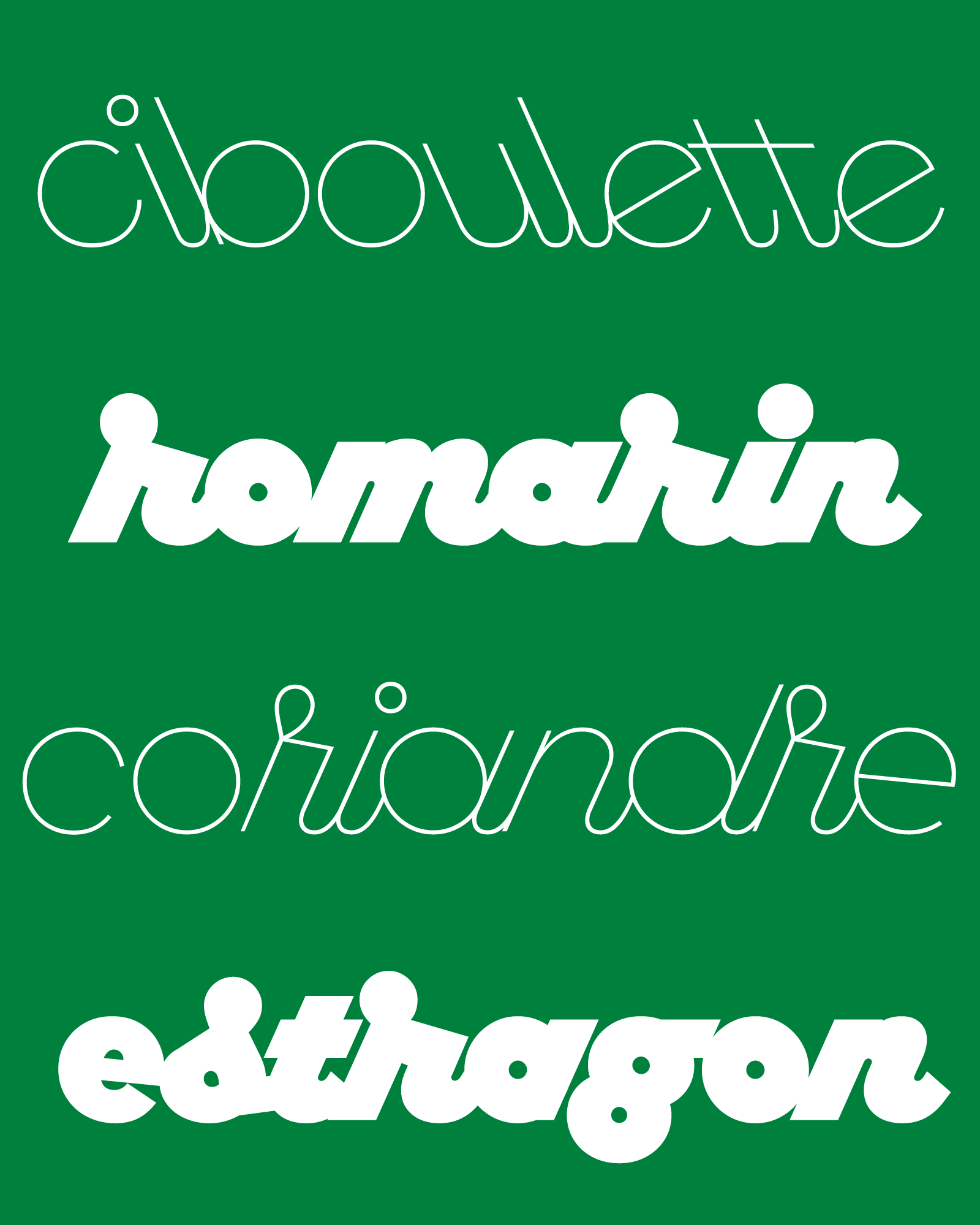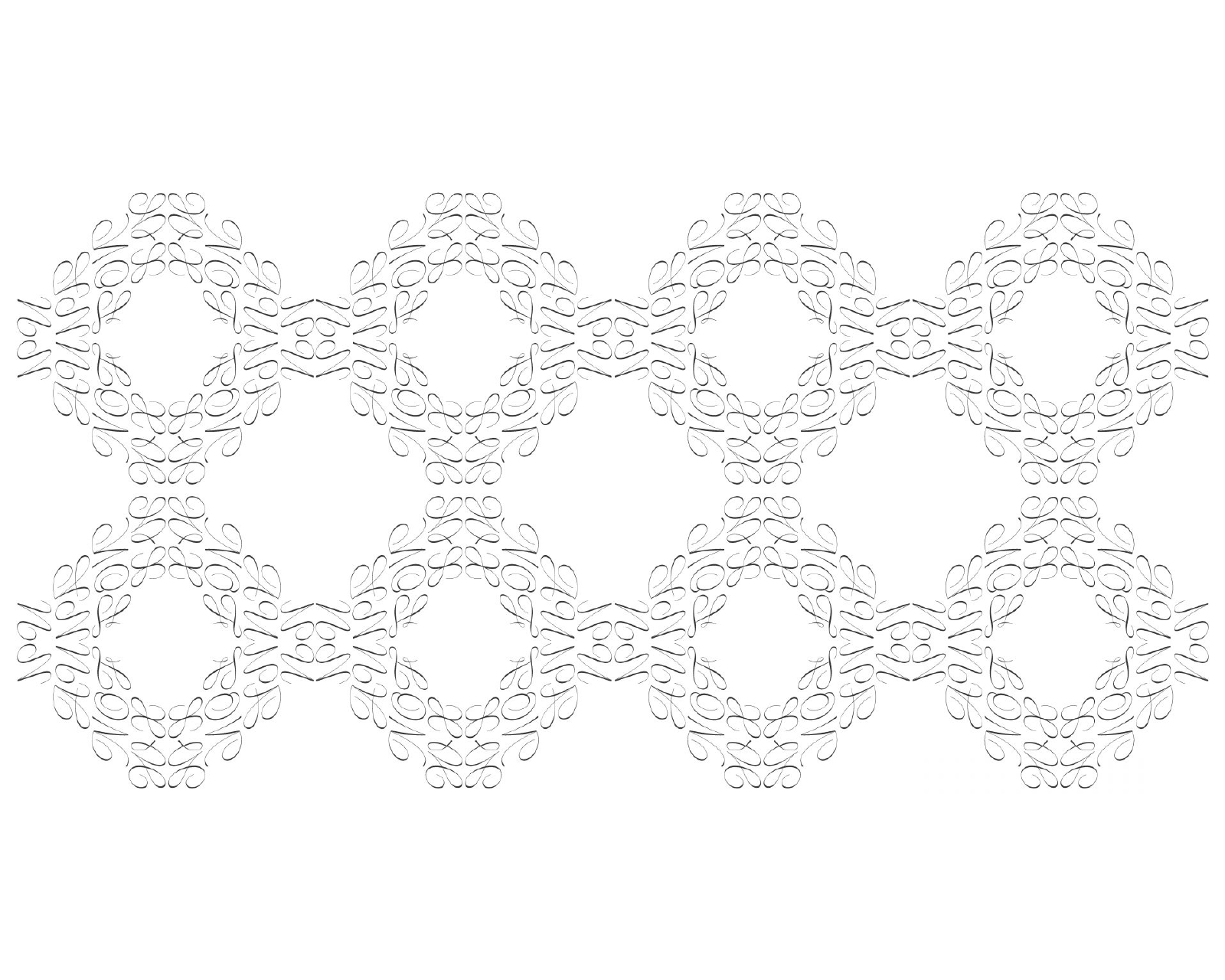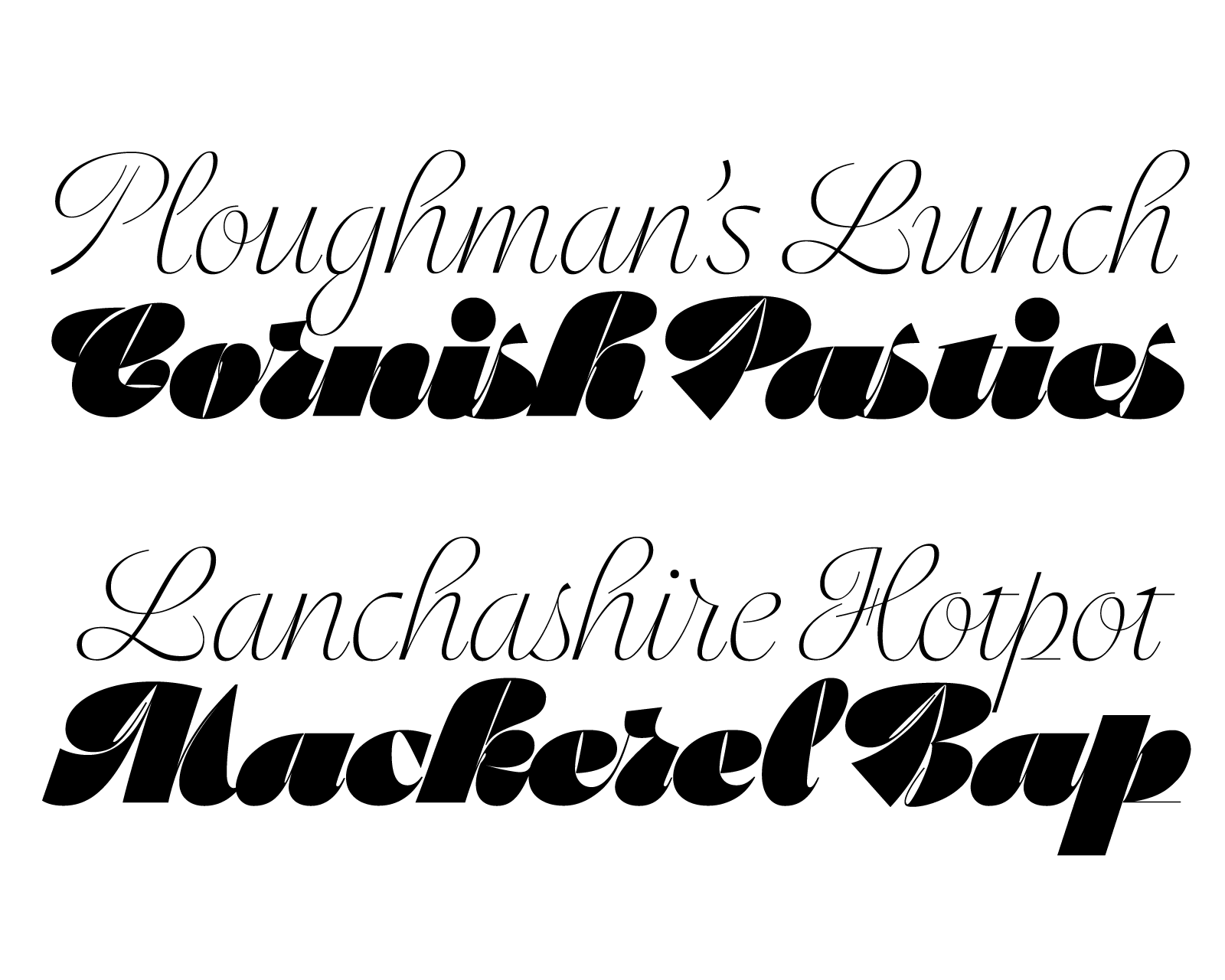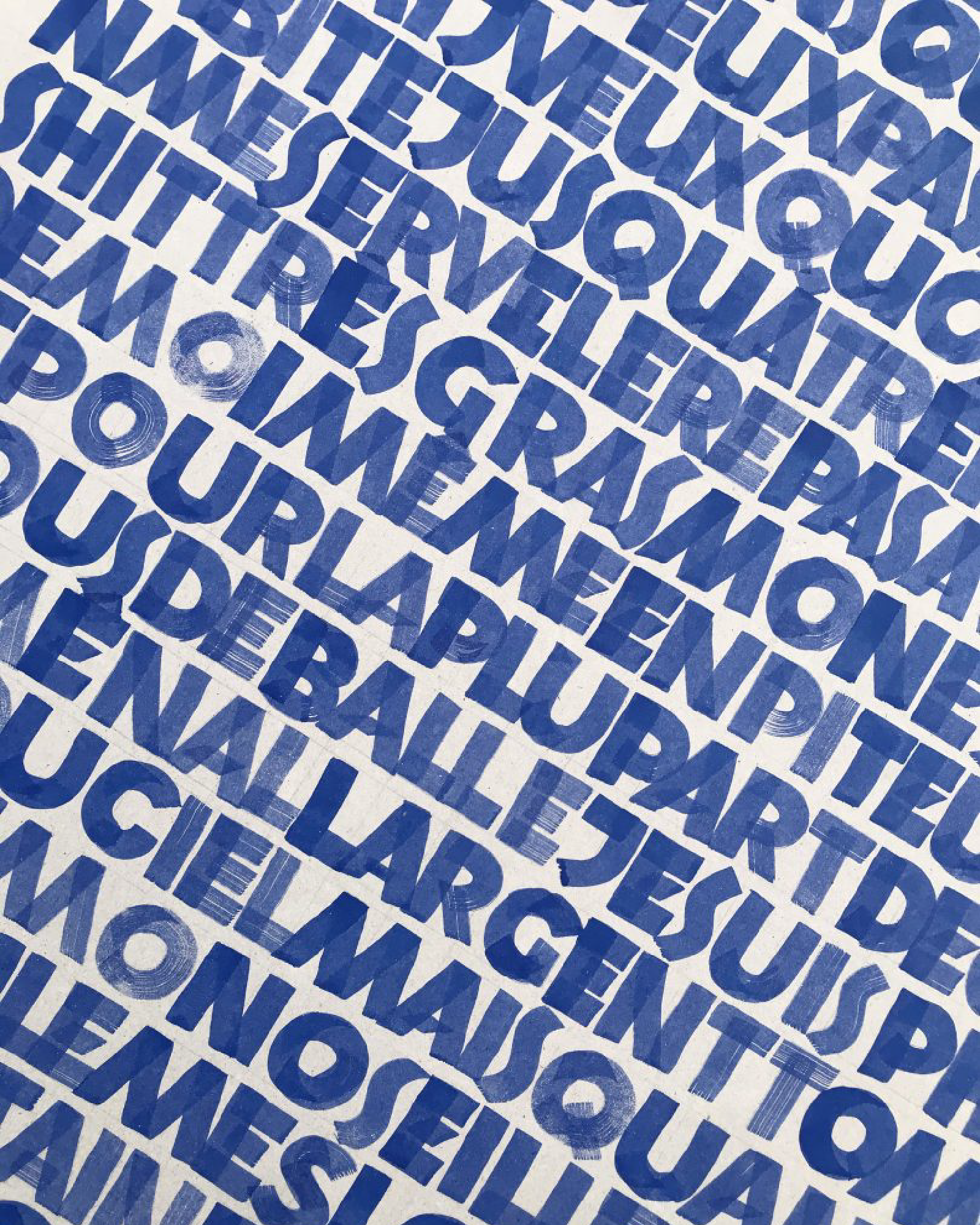
Mark your calendars for Saturday 30 May 2026! The Now26 conference is happening in the beautiful city of Paris. It’s going to be an epic event, with a mix of inspiring speakers covering a wide range of topics like graphic design, web design, motion design, publishing, visual identity, communication, and type design. If you haven’t already, don’t miss out on the best rates by registering now!
We would like to invite you to explore the profiles of our esteemed guests. Discover the captivating interview of Léon Hugues.
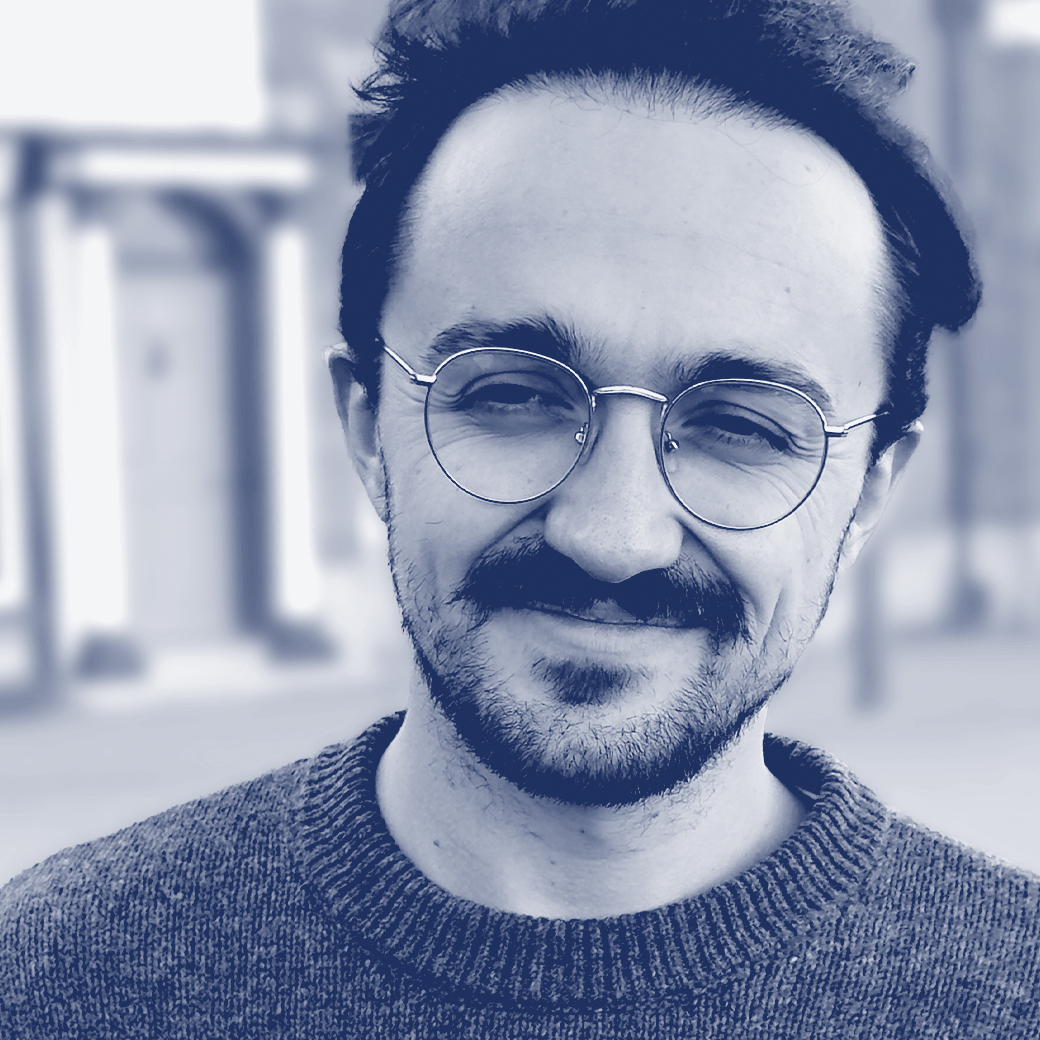
Biography Léon Hugues is a Franco-British type designer and calligrapher trained at École Estienne under Franck Jalleau. His work balances rigour and experimentation, from expressive retail typefaces to large corporate families developed with international foundries. While his corporate projects emphasize structure and systems, his personal work explores the limits of type systems, drawing inspiration from everyday visual forms. His practice also includes multi-script design, with a focus on Southeast Asian scripts.
Interview
What’s your favourite way to kickstart your day?
Léon Hugues Very tormented mornings, mostly spent wondering what I’ll be cooking for lunch and then already for dinner. I often start my day on the sofa with a coffee, checking what my daily tasks are and organising everything to make the day as efficient as possible. I work from home. To be honest, I have space, sunlight, food, a stove and a fridge within reach. I can start cooking a bœuf bourguignon at any time of day. That said, I also enjoy working outside in cafés. I’ve recently realised that working on trains helps me focus a lot, so I might start travelling a bit more. To escape from work, I cook and I go on a quest for the best Parisian bistro I can find. Other than that, it’s mostly about spending time with friends and family.
What’s your favourite kind of music?
Léon Hugues If I really need to focus on technical tasks, I cut myself off from any noise. But when I’m sketching or drawing, I listen to music. Any music, as long as it’s loud enough to almost make me want to dance.
“For me, calligraphy is the strongest foundation. When I’m struggling with a quirky letterform that won’t fit, I go back to calligraphy.”
– Léon Hugues
What are your thoughts on social media these days?
Léon Hugues I mostly use Instagram, scrolling and catching up with the latest releases from friends, colleagues, designers and foundries whose work I admire. I don’t post as frequently as I used to. I guess I’m more focused on drawing now than on communication. Social media is very time-consuming, but it can be helpful. It’s an easy way to show work to the world without having a website or the backing of a foundry or a studio. And sometimes it’s just nice to drop a line in someone’s DMs about their latest amazing idea.
What drives you to create new typefaces?
Léon Hugues I enjoy pushing systems to extremes. I often try to mix parameters that shouldn’t match together. Sometimes this results in overly complex systems, but that’s the interesting part. Figuring out how each piece of the puzzle can fit into a coherent type family.
How much a software and its fixed rules can determine a type project nowadays?
Léon Hugues In my opinion, software mainly helps us go faster. It allows us to test systems at large scales, and sometimes bugs induced by the software end up becoming good ideas. That said, I’m still very fond of sketching by hand with a pencil to get a first sense of how letterforms will behave in their space. Once on the computer, refining angles, terminals, x-heights, or shifting weight by a few units becomes much easier. I started working on Fontlab but very quickly hoped onto glyphs and have stuck to it ever since.
Do you think AI will change the way to design typefaces?
Léon Hugues I don’t think it will fundamentally change the design of letterforms themselves, but it could make our lives easier during the more tedious stages of a project, such as engineering and production.
How do you balance collaboration, self-initiated versus commissioned typefaces?
Léon Hugues I tend to say yes all the time, sometimes even before fully knowing what I’ll be doing. If there’s a type design need, there’s probably a type design solution. Any new challenge feels fun to take on.
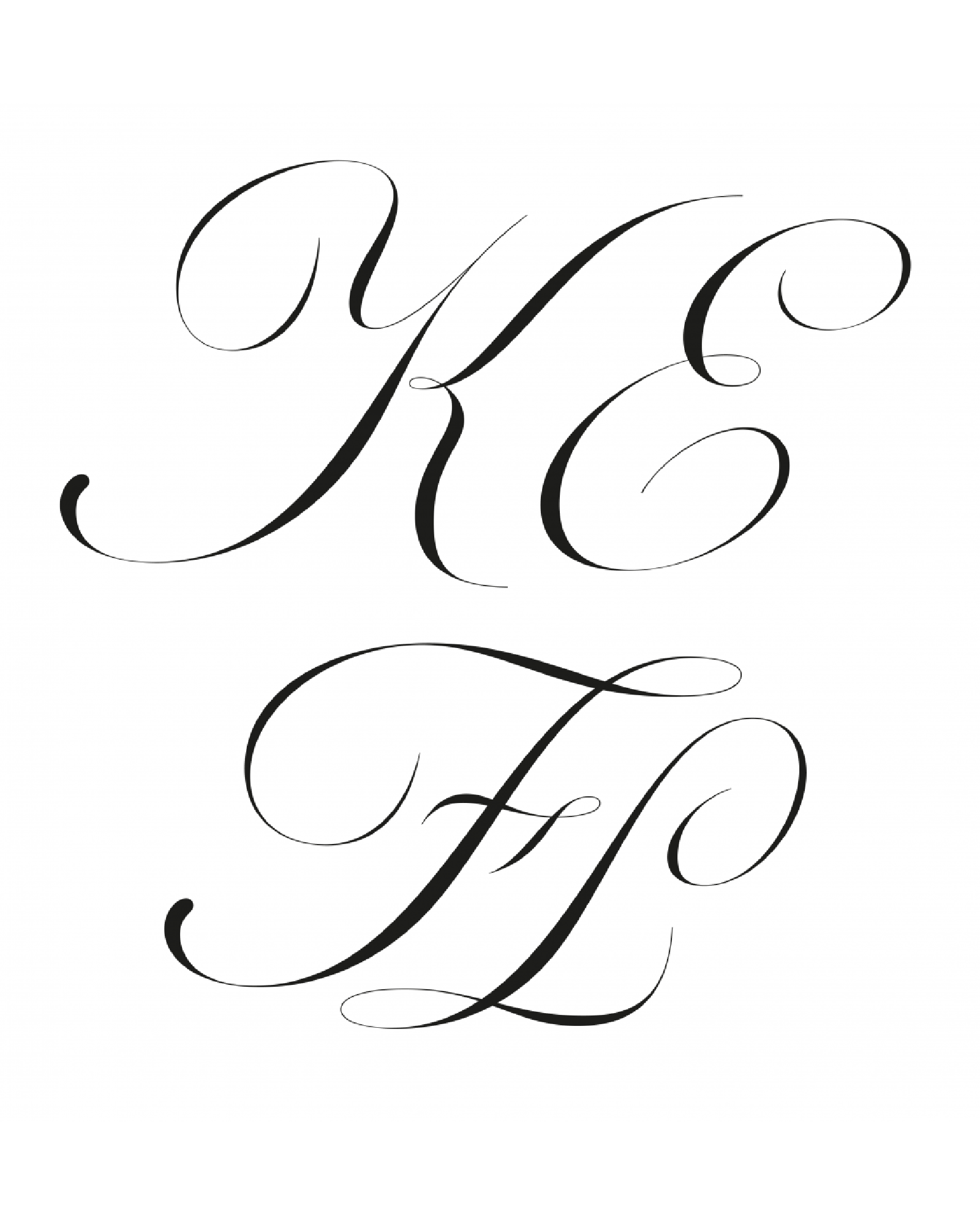
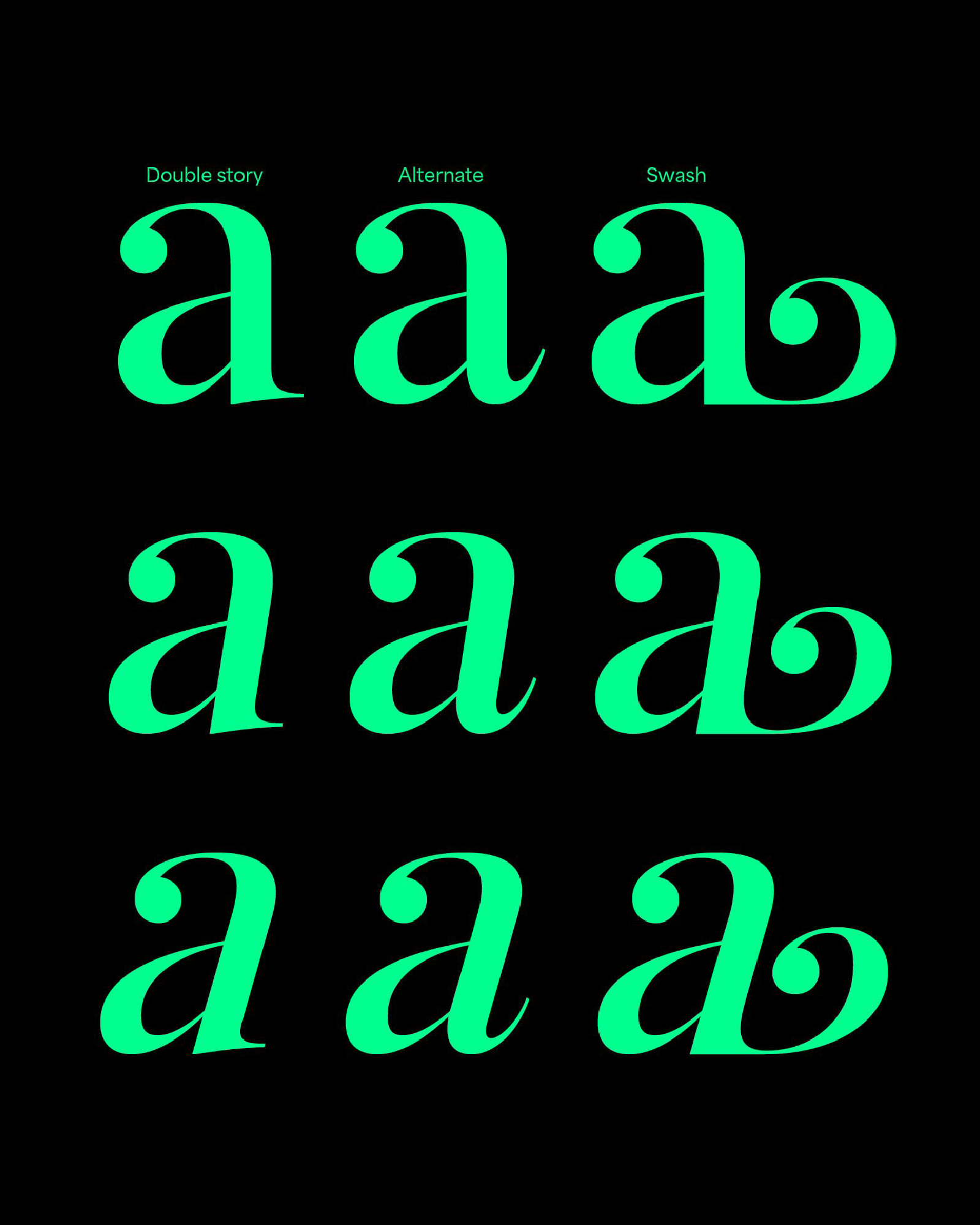
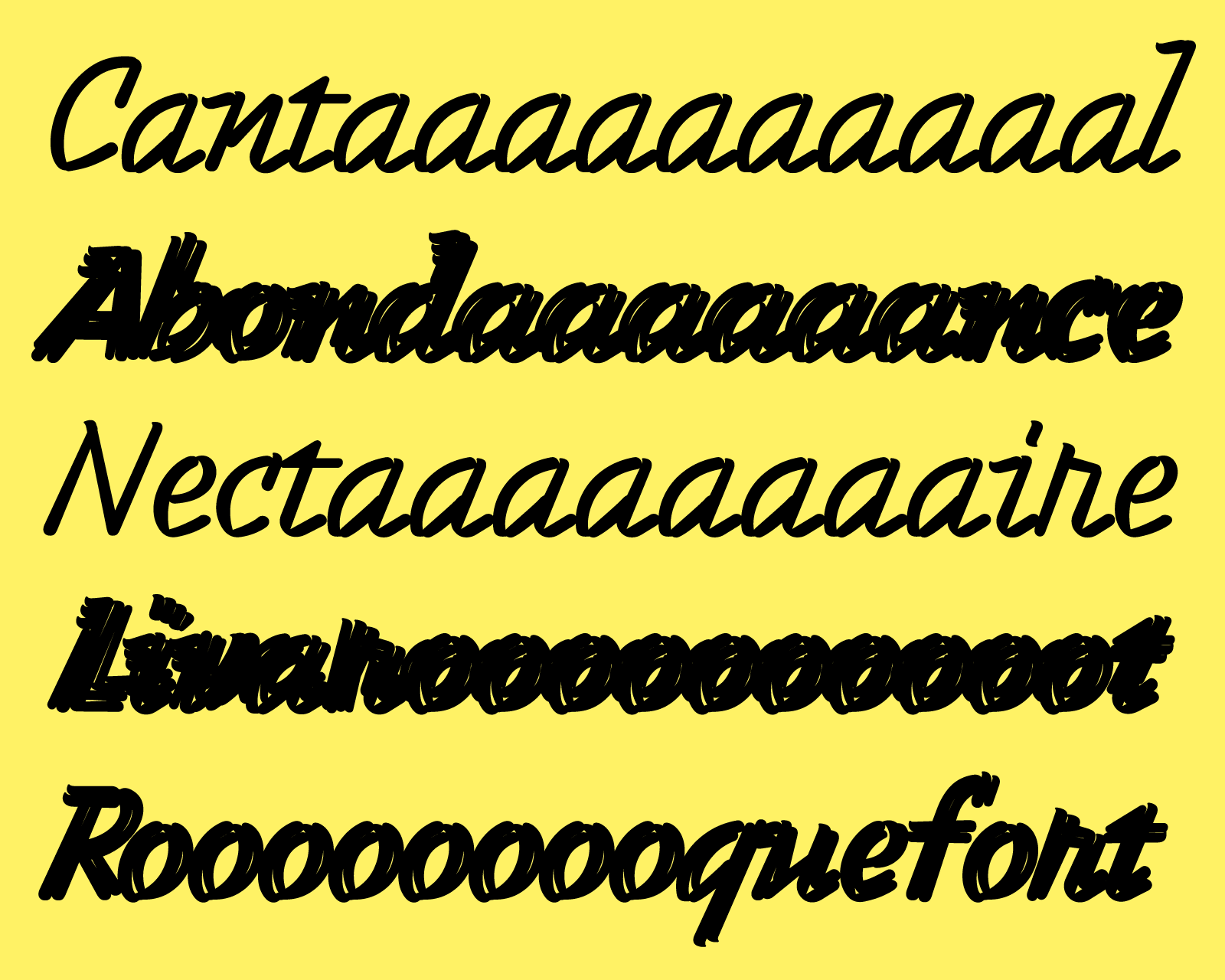
I work a lot with various foundries, so most of my work is client-based and team-oriented. Having a brief and a client is where I focus my energy, drawing precise paths for corporate projects and learning to be more diligent and exact. I actually made a Google Sheet just for this interview and realised I’ve been involved in the design process of over 100 fonts, but only about a dozen are self-initiated. Lately, though, I’ve been focusing more on those sketches sitting in my drawers, under my bed and in my brain. At the moment I’m working on several script fonts, some are updates some are new ones, I’ll be showing a few of the during my talk. The aim here is to have a platform with all my scripty ideas available for retail !
I deeply admire type classics. They help you dive into styles, shapes and history. But I also love messing with them, squeezing, rounding, bumping and stretching them. I have a particular love for script fonts and very old-fashioned, slightly cheesy styles. I often ask myself what a classic would look like if it were turned into a script font. I have a soft spot for Mistral, Banco and Choc, most of what Excoffon did fascinates me. What an elegant man with silly serious ideas.
How do you see the evolution of the font market with subscription platforms and free fonts?
Léon Hugues It’s hard for me to say. I haven’t been in the industry for that long. I draw typefaces for people to use them, and as long as they are sold and bought in a respectful way, by respectful people with respectful intentions, my day is made. What we really need is transparency, for users, designers and distributors alike.
I’m hoping there are other vectors towards a better world than Canva and Creative Cloud. That said, these platforms undeniably lower the barrier to entry and make design tools accessible to a wider audience. The challenge is making sure this accessibility doesn’t come at the expense of understanding, authorship or the long-term value of type as a designed object.
I think open-source and free fonts play an important role, especially in terms of access and education. They allow students, young designers or people without resources to experiment, learn and understand how typefaces are built. They shouldn’t be seen as a replacement for commissioned or commercial work, but rather as something that coexists with it, offering entry points and shared tools while still leaving room for sustainable models that support designers and foundries.
When did you decide to pursue a career in design, who most influenced you early on?
Léon Hugues It started when I entered École Estienne. I wanted to design logos and posters and had no idea what typography or type design really was. After my first year, I had to choose between graphic design and type design, and I thought, “Why not?” Type design became my first choice. At the beginning of the course, I kept telling myself how boring it must be to draw letters all day long. Then I met Franck Jalleau, who passed on his wisdom, passion and generosity. I continued into the master’s degree at École Estienne and haven’t stopped drawing letters since.
I’ve met many people along the way and I’m still learning from many of them. Franck Jalleau was the first to make a strong impression and help me understand that I wanted to draw letters. During my first internship at Typofonderie, Benjamin Blaess, Joachim Vu, Mathieu Réguer and Pauline Fourest made me feel comfortable in the industry. Later on, people like Plamen Motev and Matthieu Salvaggio gave me my first professional opportunities and the confidence to show my work. At NaN, where I’ve been working for the past three years, Luke Prows and Jean-Baptiste Morizot have greatly influenced my skills, creativity and perspective on type design. And finally, Hugo Jourdan deserves special mention for patiently helping me solve technical problems over the phone in the evenings, often caused by my stupid but hopefully fun ideas.
The course taught me that communication is key in any design process, and that the best ideas often emerge while chatting and sharing food and drinks in the studio. I also loved practicing calligraphy with Serge Cortesi. Even though I’m far from being the best calligrapher, it still helps me generate ideas in my ongoing quest to draw sillier, scriptier fonts.
“I deeply admire type classics. They help you dive into styles, shapes and history.”
– Léon Hugues
How does your creative process move from paper to digital?
Léon Hugues My sketches are very informal. Ideas come at random moments and always when I don’t have anything to sketch with. The very few times I sketch, I draw on Post-its, take photos with my phone, put my finger in front of the camera to create a black background and draw directly on the screen. I probably need to find a more efficient system at some point.
For me, calligraphy is the strongest foundation. When I’m struggling with a quirky letterform that won’t fit, I go back to calligraphy. I don’t always use a nib or even a tool. Sometimes just looking at calligraphy books or references online helps me understand how letters flow, move and handle contrast. I’m trying to pass this on when I teach at school but the students look at me as if I were already old fashioned.
Do you have words of wisdom?
Léon Hugues Have fun. Please.
What message would you like to convey during your Now26 talk?
Léon Hugues I’d like to show that you can have fun and embrace silly ideas while still making them precise, well-crafted and forward-thinking.
Thank you very much Léon!
– Interview by Benjamin Rouzaud