How was TypeParis for you?
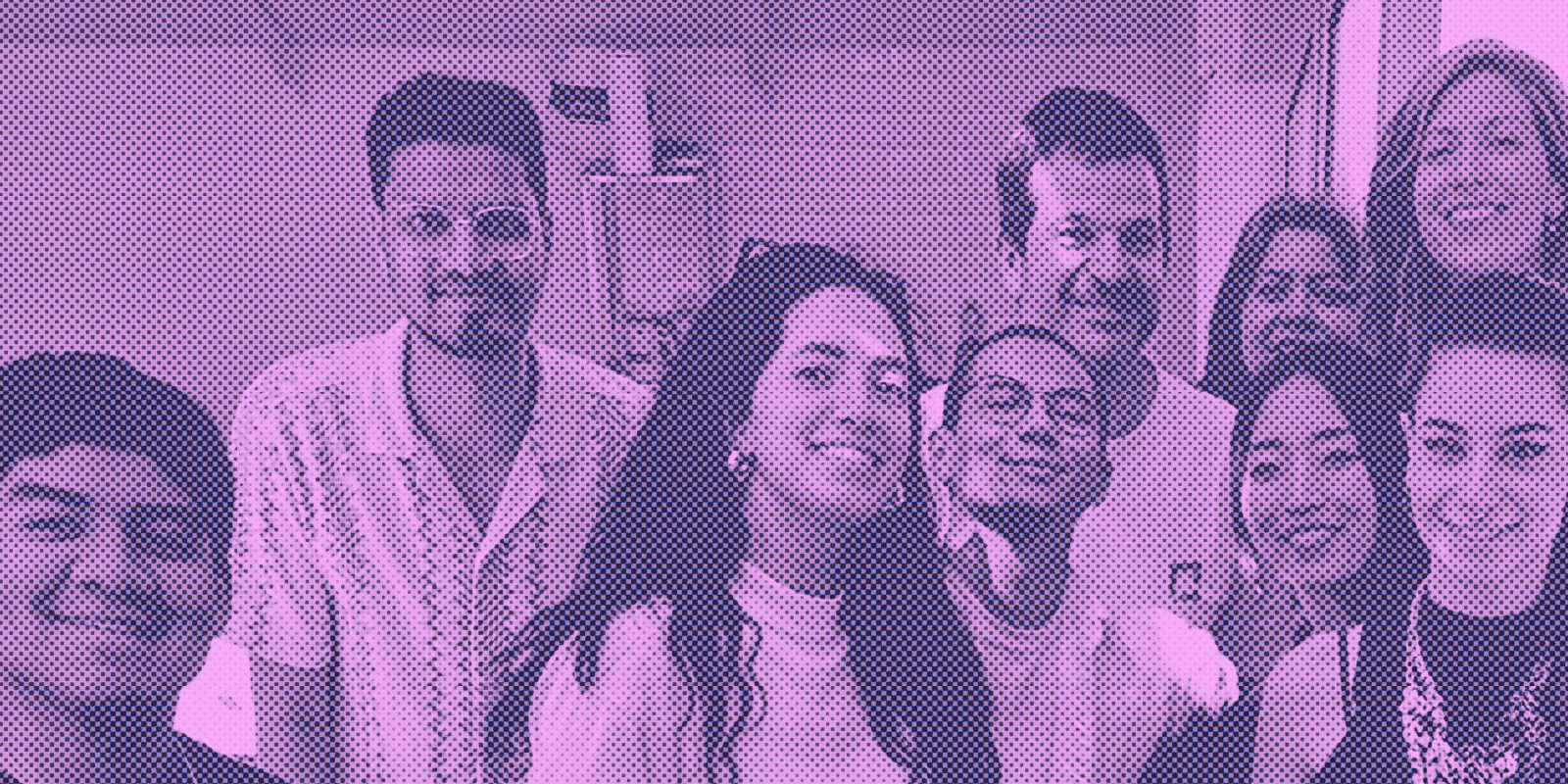
Who is better to talk about it than our alumni? So we asked them some questions. We published the results of our discussion with three TypeParis24 attendees, Anshul Gupta, Alexandre Kyheng and Dana Assir share their stories with you!
You want to apply but are not sure yet? You are wondering what conditions must be met, beyond the official description proposed on the Summer page? You can conclude that the attendees final typefaces designed at the end of the six weeks, are of such a high level that it seems impossible to achieve in such a short period of time? In fact not. The reality is quite different: the participants come from a variety of backgrounds, with or without experience in typeface design. So, whatever your level, you will learn a lot.
TypeParis Summer course!
141 students from 40 different countries have already attended to TypeParis, and it could be your turn. This year, TypeParis26 is celebrating the 11th anniversary of the awesome type design programme that kicked off back in 2015. Feel free to contact our alumni directly via their People page, to ask about some specific details about their 6 weeks in Paris.
Why did you decide to apply to TypeParis?
Anshul Gupta I was already interested in type design and had been exploring typography on my own. During college, I had learned the basics of type design, which sparked a deeper curiosity. A close friend from college, who was an attendee of TypeParis, recommended the programme to me. She told me, “That’ll be the perfect place for you” and that really stayed with me. I hadn’t been actively searching for many similar programmes, but once I learned more about TypeParis, it felt like the right next step to deepen my understanding of type design in a structured yet immersive way.
Dana Assir I first discovered TypeParis through social media and immediately felt drawn to it. But it was Andrea Hayek who really encouraged me to apply — she kept telling me, “You’ll learn so much, you’ll have fun, and you’ll meet amazing people from all around the world.” She was absolutely right. I ended up having one of the most inspiring experiences of my life.
Alexandre Kyheng I’ve always had a liking for typography as both an expression and a tool and then gained interest in type design through some of my teachers. I was a student at the school hosting TypeParis, so before attending I was seeing people a few school years above me at the time of attending the program. The more time went on and the more I got interested in drawing typefaces and wanted to learn how to do it. Luckily, the agreement between TypeParis and my school allows two possible seats for students of a designated school year through a parallel admission program. So, when I got eligible to apply, I had no doubt and went for it.
“This trip turned out to be one of the biggest learning experiences of my life.”
– Anshul Gupta

Building the right portfolio?
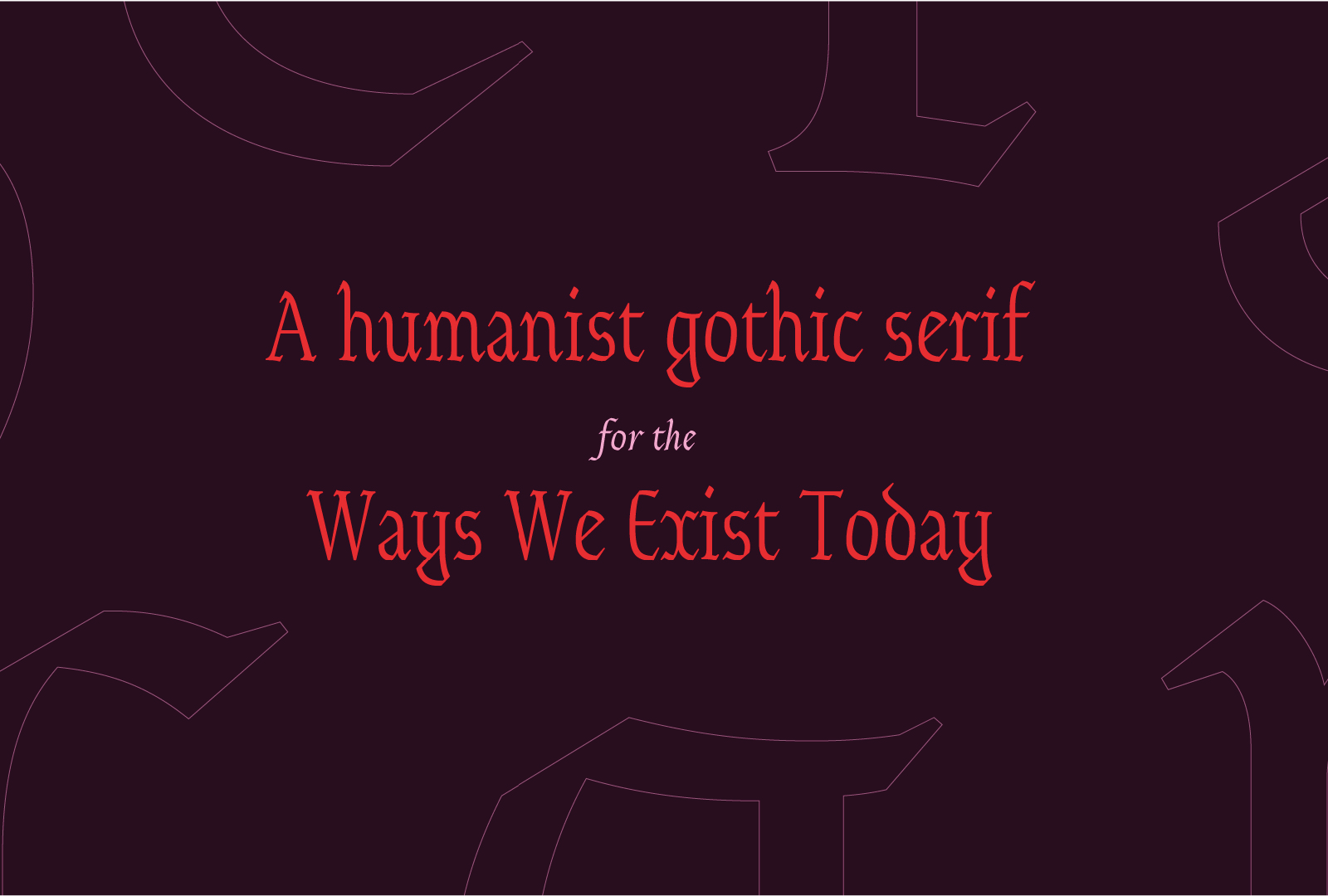
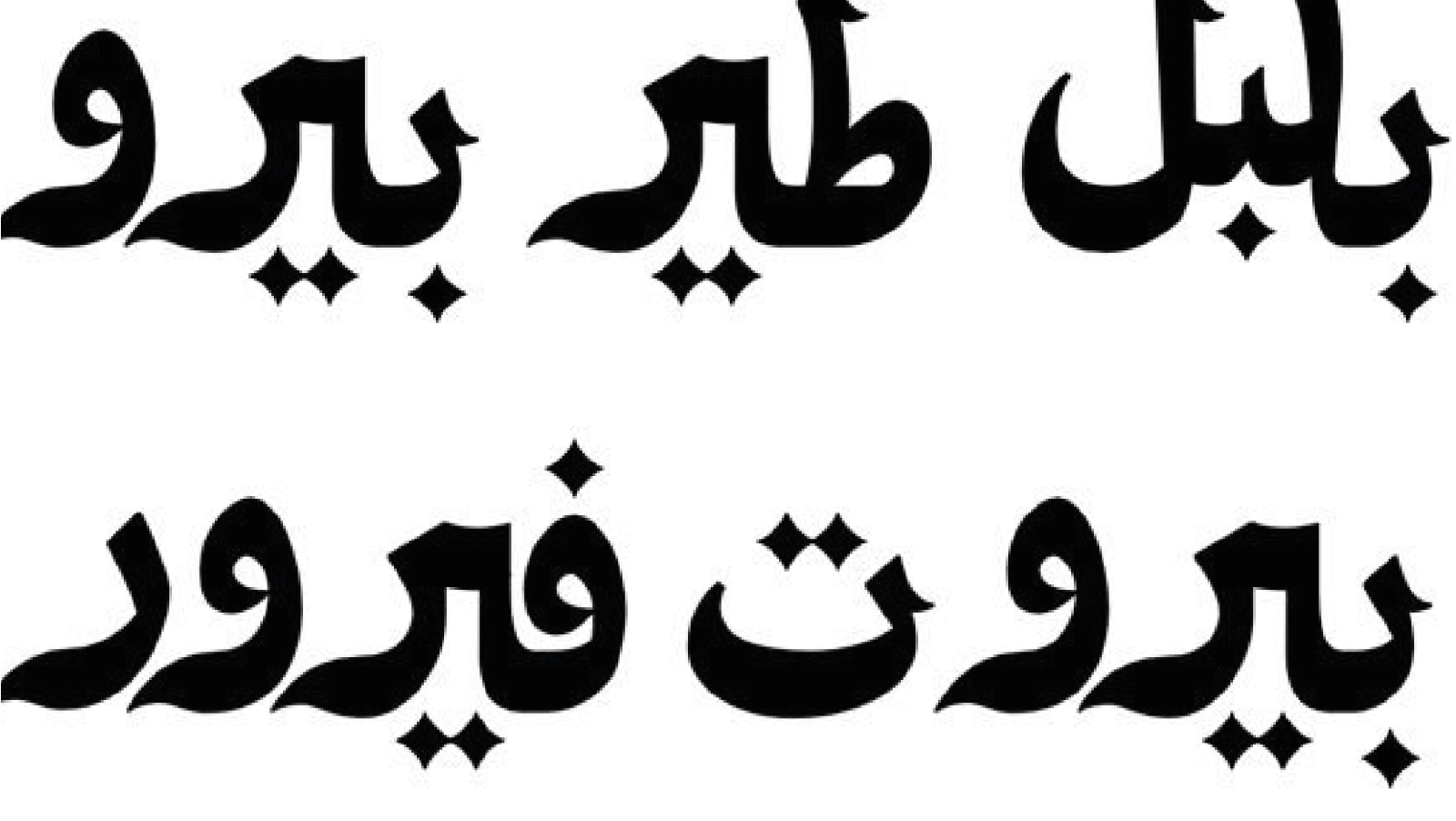
Dana Assir I applied for the TypeCon scholarship at the very last minute, so I was extremely anxious waiting for the results. Creating the portfolio wasn’t difficult because my work already contains a lot of Arabic lettering. But I was worried that it might not be enough, since before TypeParis I had never actually finished a full typeface in either Latin or Arabic. Still, I submitted what I had — and I’m so happy I did.
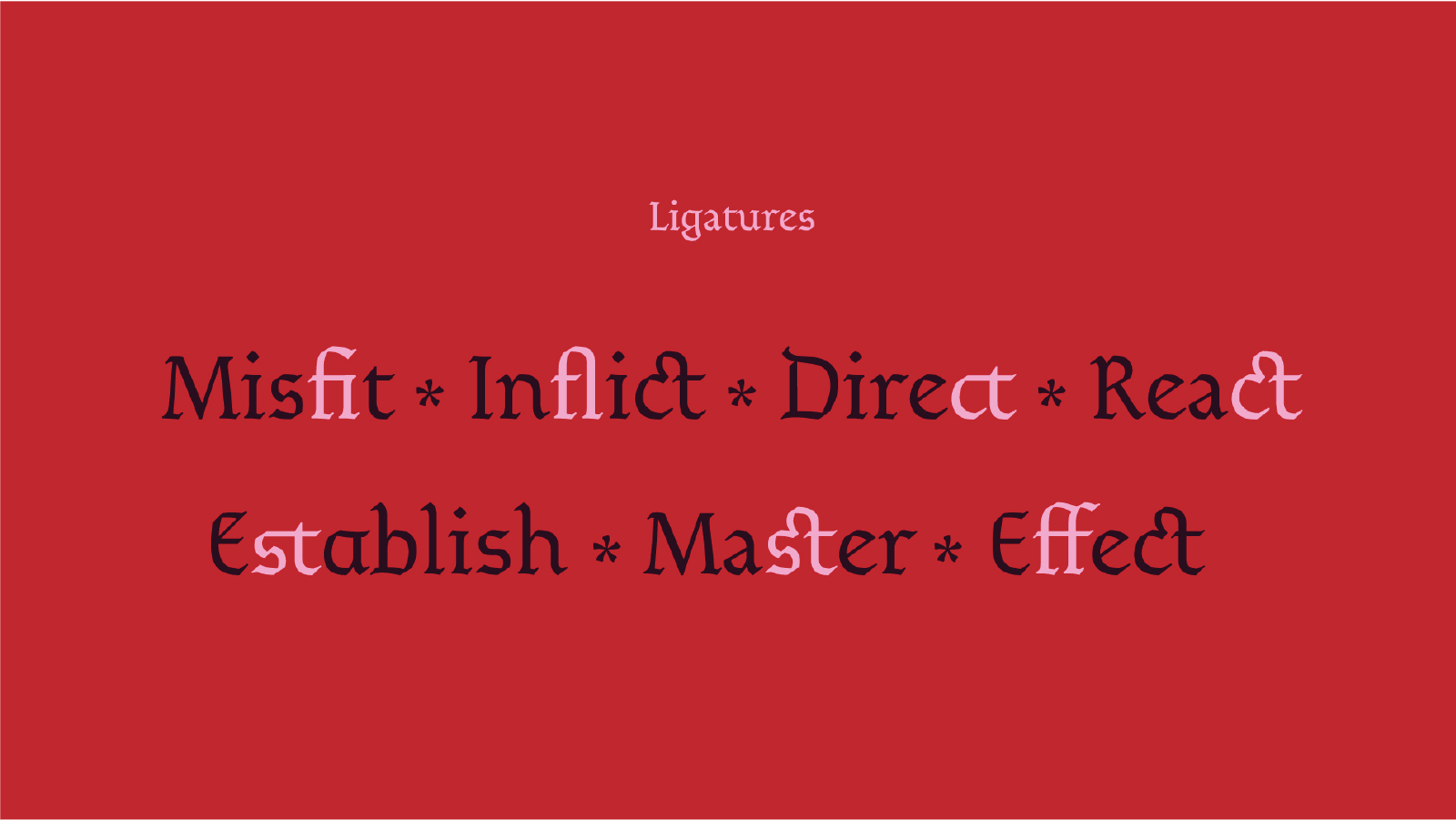
Alexandre Kyheng Our school building hosting the programme makes it so that students can apply for two possible spots, sponsored by the school and therefore parallel to the regular admission process. Still, building a strong and interesting portfolio took some effort because I didn’t have any proper type design classes and projects to show. I knew a year ahead that I wanted to apply, so I did a few lettering projects and the base of a typeface for the sole purpose of making the portfolio stronger. Within the other students applying, I knew I had a chance, but still I didn’t know if it was going to be good enough to be selected, but with good surprise, I did.
Anshul Gupta When I applied, I was already working at a studio where I was involved in logotype design, and I had also designed a typeface during college. So while building my portfolio, I focused on compiling and clearly explaining all the work I had done that related to typography and type design. Submitting my work at a global level was both exciting and nerve-wracking. I had no idea about the level or quality of other portfolios being submitted, so I went in with no expectations. When the results came in, it was a huge moment for me — I couldn’t have been happier.
“I remember being a bit stressed at the start about the potential gap I had to fill but the way it is taught, the care and kindness that the instructors have for us, make the learning curve docile enough.”
– Alexandre Kyheng

What did you learn?
Alexandre Kyheng I remember being a bit stressed at the start about the potential gap I had to fill but the way it is taught, the care and kindness that the instructors have for us, make the learning curve docile enough. Don’t get me wrong, at the beginning it still feels like you’re being bombarded by a thousand new notions a minute, but most attendees will have the same experience, so the group dynamic also helps, being all in the same boat. Pretty much all the calligraphic notions were new to me, so the first weeks were quite the challenge. Thankfully I had amazing attendees to share the struggles with, and very talented ones that were very kind to help me and others figure it out. The group energy is quite special at TypeParis. There is no competition among attendees, just a few type of enjoyers eager to learn from all over the world, all ages and experiences. We were all very happy to help each other out, to ask others for reviews or questions of any sorts. Lots of laughs, lots of fun (also with the instructors) and I don’t think that you could successfully go through TypeParis alone. For me, this atmosphere is a core element of the program and a memory that I’m very fond of, inside and outside of the class. The visits were a great moment to take your mind off your project for half a day and see beautiful places and amazing documents along the way. If you feel that you are in an early phase of your typographic adventure and you’re looking for a short-ish program to learn the basis and more of type design, I’d say TypeParis is a perfect program for that. It’s intense, only six weeks but with quite long days, plus some of your free time that will surely be dedicated to it, but you’ll learn a lot and gain with it quite the skills (as well as making good friends along the way!) Personally, I definitely noticed a step-up between my application portfolio and the graduation project.
Anshul Gupta This trip turned out to be one of the biggest learning experiences of my life. From specialising in something I was genuinely excited about to living in another country for the first time, it was an incredible journey. The programme completely shifted my perspective on type and gave me a much deeper understanding of how type design functions in the real world. The course was extensive and thorough. One and a half months of intense work-grinding, obsessing, and thinking about type — was both exhausting and extremely rewarding. Time flew by. I deeply miss my batchmates and instructors; we had an amazing time together, both in class and outside. The best part is that we’re all still in touch and continue to support and help each other even now.
Dana Assir They truly start from the very beginning: how to hold the nib, calligraphy basics, tracing, sketching, spacing, and then digitisation. The programme is extremely well-balanced. You don’t need to have created a typeface before — you just need to love letters and be excited to learn. The teachers adapt their guidance to each person’s pace. As a left-handed designer, calligraphy was challenging for me, but they supported me step by step, and I learned so much. The atmosphere was wonderful. You arrive as strangers and leave as a family. I grew especially close to a few people, and we’re still in touch today. The trips were unforgettable — we even went to Lyon. Seeing old manuscripts, archives, and specimens was truly magical. It’s a once-in-a-lifetime experience. I always recommend the programme to friends. It was one of the best experiences I’ve had, even though by the end none of us were getting any sleep — we still miss it so much. It’s all about the people, the energy, and the shared passion.
“After TypeParis and having a decent typeface done in 6 weeks, I felt like anything was possible.”
– Dana Assir

Tell us about the Now conference and Guest critics?
Anshul Gupta The Now Conference felt like an incredible platform to meet and learn from some of the best people in the industry. What stood out was that it wasn’t just about listening to talks — it was about closely interacting, asking questions, and really geeking out with the speakers. Many of the conference speakers were also guest lecturers during the course, which meant we constantly received feedback from fresh perspectives. This helped us look at our work in new ways. Conversations with guest critics also gave us valuable insight into how the industry functions, which was incredibly insightful and grounding.
Dana Assir The Now conference is incredibly rich. You meet inspiring designers — from major typographers to graphic designers like the one who worked on the Glossier logo — each sharing their journeys and processes. The guest critics and evening talks broaden your understanding of typography and its impact on design. It adds great depth to the whole experience and connects you to a larger creative world.
Alexandre Kyheng The Now conference taking place just before the program starts is a great way to meet the TypeParis people while getting your brain ready to think type, free of pressure. You get to listen and learn from an array of interesting designers and their relationships to type. It’s always super interesting to see the multiple ways people interact with type, see type, think type, whether they draw it themselves or not. Plus, you get to see some very beautiful things, so if you get the chance, I’d recommend going. During the TypeParis program, you get (almost) every week a different guest critic that comes and takes quite a bit of time to sit with you and talk about your project. These guest critics are not your regular instructors, but they still know their way around type quite well. They allow you to show and discuss your project with fresh eyes, to someone that hasn’t seen your starting point, your struggles, and therefore will give you very different feedback than the one the regular instructors give you. It’s a great opportunity to see things within your project that you didn’t necessarily notice, new opportunities, etc. The guest critics also do a little presentation of their work around lunchtime, for the TypeParis class only. It’s a great moment to talk to very talented and accomplished designers about type and everything else.
“I always recommend the programme to friends. It was one of the best experiences I’ve had, even though by the end none of us were getting any sleep — we still miss it so much. It’s all about the people, the energy, and the shared passion.”
– Dana Assir
What are you doing now?
Dana Assir After TypeParis and having a decent typeface done in 6 weeks, I felt like anything was possible. Even now, working on Arabic typefaces, I feel confident because I understand interpolation, masters, variable fonts — everything we learned still guides me. Since TypeParis, I continued my practice, worked for 6-month at Pentagram London, and then returned to Lebanon, where I’m working on Arabic typefaces, letterings and visual identities. I use type every single day — Glyphs is always open. I haven’t created a Latin typeface yet, but I have designed many lettering pieces and logotypes.
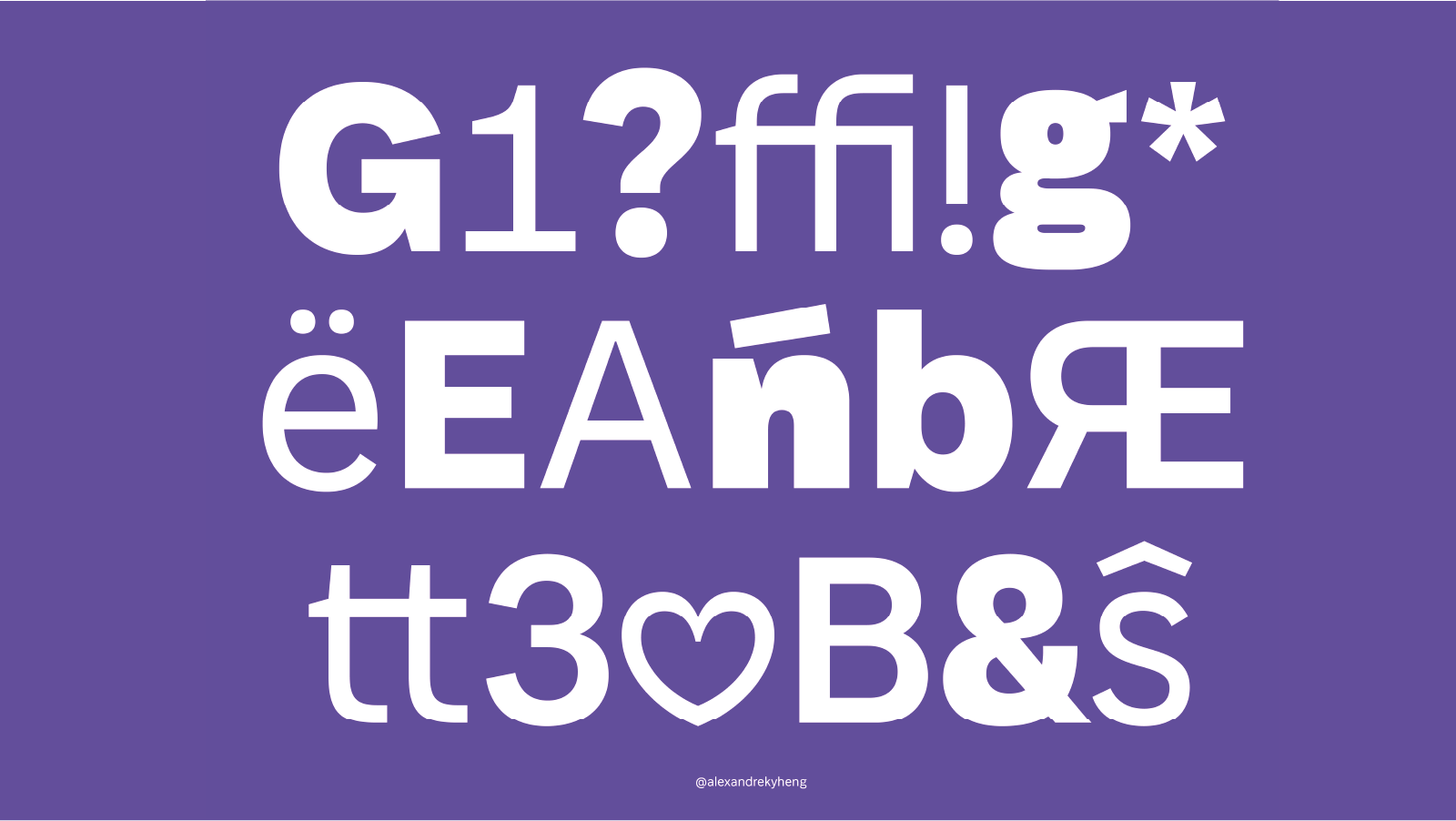
Alexandre Kyheng I attended TypeParis between my first and second year of master's, so as I am writing this, I finished school just a few months ago. During the year that followed the program, I continued drawing type, for school projects, for commissions, for fun whether it's letterings of full-fledged typefaces. My main goal now is to continue my type design journey as I see myself spending most of my time on it, trying to find ways to work with type foundries and type designers, knowing full well that I still have a lot to learn and master, but that’s what makes it all so exciting. I am having talks from time to time with foundries and got called by a design agency to come help as a freelance type designer, so let’s see where it goes. I made great friends and got close to both attendees and instructors during TypeParis, with whom I still talk and see about type and life, which I guess is the nice bonus that I didn’t expect when the program started.
Anshul Gupta Currently, I’m working as a Lead Brand Designer at Studio Sorted, and I’m also in the process of starting my own type foundry called SortedType. Type design is a constant part of my work at the studio, and I also conduct type workshops from time to time. I’m now planning to publish my first typeface soon. I’m still in touch with my TypeParis batch, and we continue to share feedback and support each other’s work.
“The programme completely shifted my perspective on type and gave me a much deeper understanding of how type design functions in the real world.”
– Anshul Gupta
Your advice?
Dana Assir Before applying: Don’t overthink your portfolio. Apply, even if you feel you’re not “ready.”
During the six weeks: Enjoy every moment. Work together as much as possible. Go out with your classmates. Take tons of notes. Use the libraries, explore references, and start thinking early about your project — even if you keep your options open.
After the programme: Keep the energy going and continue designing while everything is still fresh.
Living in Paris: I lived on my own because we started searching for an apartment too late, but I honestly think living together would have been even more fun. After class we always stayed late in the studio anyway, but sharing a place would make the whole experience even richer.
About choosing your project: I didn’t do a pure revival — I adapted an old Arabic script and ended up drawing most of the letters from scratch. I don’t regret it at all, but revivals can be a bit easier at the beginning because you already have some structure to rely on, especially given the short timeline. It’s still challenging, but slightly less stressful.
Alexandre Kyheng If you’re passionate about type, if you’re eager to learn it, give it a try, no matter the skills you have. Try building a portfolio that you feel is interesting first, more than trying to draw the most perfect letters. It’s okay not to be the best at it beforehand, we’re here to learn and that’s why we all applied. And showcasing a good amount of hand drawing because you will spend a lot of the first weeks not using your laptop. At the start of the program, 6 weeks sounds like its months away, but when you’ll reach the end, you’ll realize it also passed by so fast. TypeParis has quite the hectic pace, pedal to the metal all week long without counting the free time spent on your type project but try enjoying the moment as much as you can because it is quite unique. Same with the people around you, attendees and instructors, they will go from stranger-status to being-sad-it’s-over-status, thanks to the shared excitement, stress and pride you’ll all experience. In short, I would recommend it 5 stars out of 5!
Anshul Gupta If you’re applying to TypeParis, it’s important to know that the programme is intense and demanding. A lot of effort goes into learning the craft, but if you’re truly passionate about type design, this is an incredible place to be. Paris itself is a beautiful city to live in and explore. I’d strongly recommend travelling to nearby places after the course ends — experiencing the world through this journey really changes the way you see design, culture, and everyday details.

“If you’re passionate about type, if you’re eager to learn it, give it a try, no matter the skills you have.”
– Alexandre Kyheng
Register to the graphic & type conference in Paris ➼ Now26 conference
Learn more about TypeParis
➼ Type & graphic designers interviews
➼ Summer26 programme
➼ Reports
➼ Attendees feedback series
➼ Now26 conference
Apply to TypeParis Summer course!
The deadline for applications is 14 March, every year.